POLITICS & POLICY MAKING
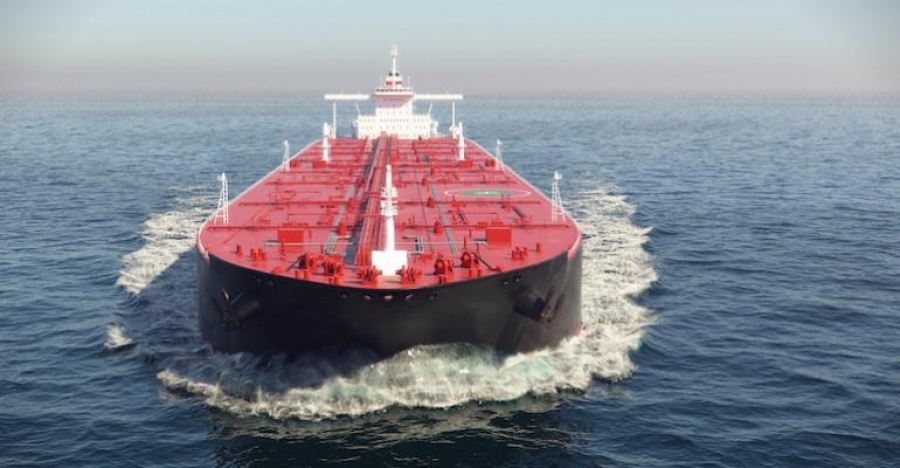
In a major escalation that threatens global energy markets, Iran has officially revoked its decision to open the Strait of Hormuz. The Iranian military command announced on Saturday, April 18, 2026, that it is resuming "strict management" of the strategic waterway, effectively shutting it down just 24 hours after a brief reopening.
Escalation and Gunfire at Sea
The closure was immediately followed by reports of violence. According to maritime security sources and the UK Maritime Trade Operations (UKMTO), Iranian Revolutionary Guard Corps (IRGC) gunboats opened fire on at least two commercial vessels—including the Indian-flagged tanker Sanmar Herald—as they attempted to transit the strait. While the crews are reported safe, several other tankers and container ships have been forced to perform U-turns and retreat into the Arabian Gulf to avoid being caught in the crossfire.
The "Khatam-al-Anbiya" Statement
The Khatam-al-Anbiya Central Headquarters, Iran’s joint military command, issued a blunt justification for the reversal. They accused the United States of "maritime piracy" and "breaking trust" by maintaining a naval blockade on Iranian ports despite ongoing peace negotiations.
Key points from the Iranian military statement include:
-
The Trust Deficit: Iran claims it opened the strait in "good faith" for a limited number of vessels, expecting the U.S. to reciprocate by lifting its blockade.
-
Resumption of Strict Control: Because the U.S. blockade remains in "full force," Iran has returned the strait to its "previous state" of total military oversight.
-
Conditions for Reopening: The military warned that the strait will remain under intense control until the U.S. ensures "complete freedom of movement" for all vessels traveling to and from Iranian ports.
A Strategic Chess Match
This reversal comes amid conflicting signals from Washington and Tehran. While U.S. President Donald Trump recently claimed a peace deal was near and that the strait would "never be closed again," he simultaneously insisted that the American naval blockade would stay in place until a final nuclear agreement is reached. Iran’s parliament speaker, Mohammad Bagher Ghalibaf, responded by stating that the status of the waterway depends on "field conditions," not diplomatic announcements.
With 20% of the world's oil supply now back in jeopardy, international eyes are turning toward Islamabad, where high-level negotiations between U.S. and Iranian officials are scheduled to begin this Monday.
-
Barrister Gohar Pushes for Bushra Bibi’s Release...
Barrister Gohar has stepped up efforts for Bushra Bibi’s release and has reportedly pers...
.jpg)
-
Four LNG Cargoes to Arrive Within Five Days, Loads...
Four LNG shipments expected soon, easing Pakistan’s power crisis...
-
Reopening: Iran Partially Restores Airspace for In...
Aviation Update: The Civil Aviation Organization of Iran (CAO) has issued a NOTAM official...

-
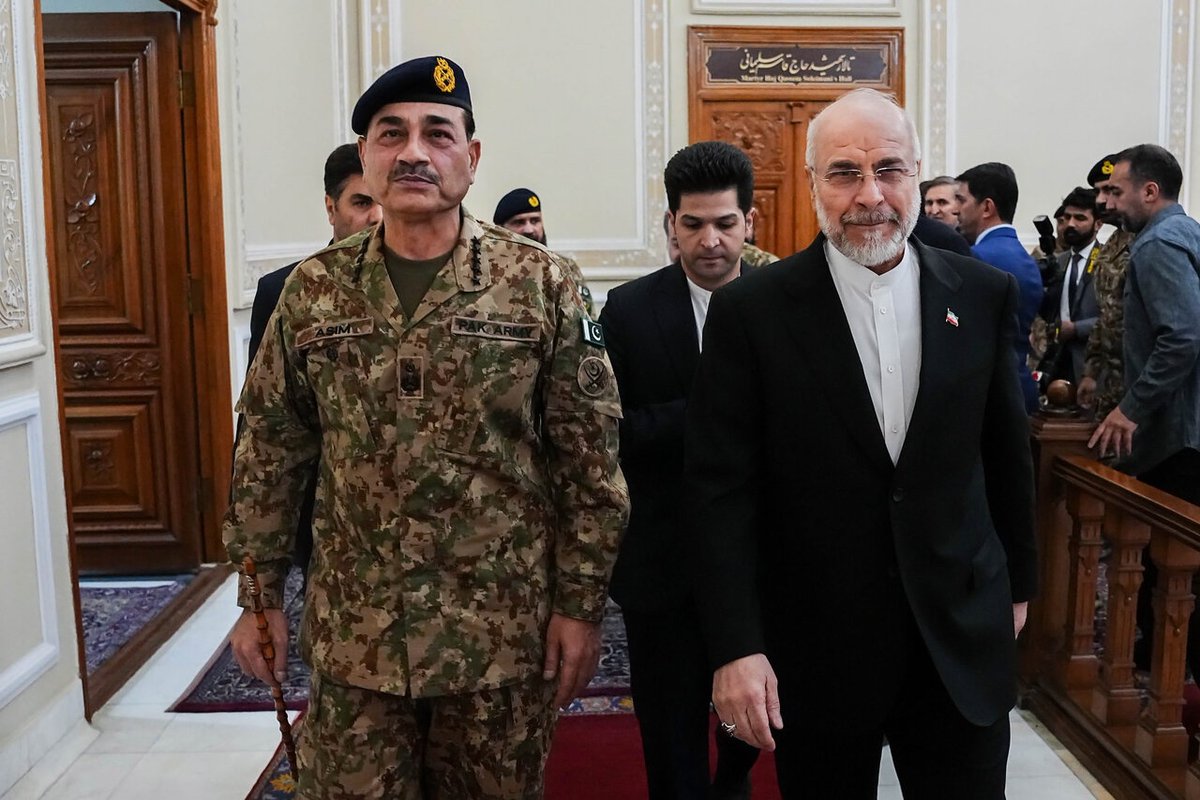
Field Marshal Asim Munir Concludes Strategic Tehra...
Mission Accomplished. 🇵🇰🇮🇷 Field Marshal Asim Munir concludes his 3-day diplom...
-
Antalya Diplomacy Forum: PM Shehbaz Meets Erdogan ...
From Riyadh to Doha, and now Antalya! 🌍 PM Shehbaz Sharif has arrived in Türkiye for t...