LEGAL
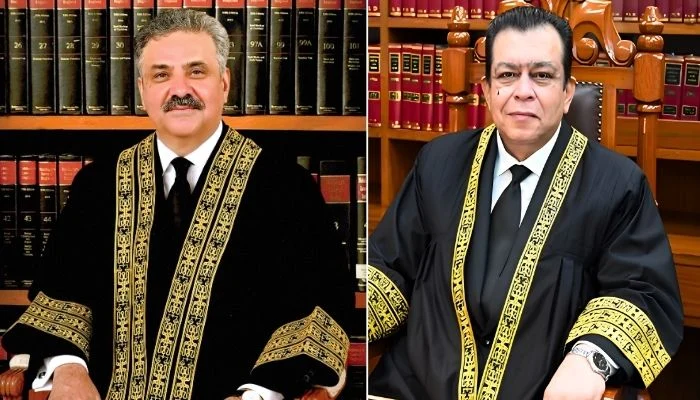
Pakistan’s Supreme Court has ruled that it and the Federal Constitutional Court (FCC) operate as independent, coordinate institutions, with neither court subordinate to the other. The landmark judgment clarifies the division of judicial powers following the 27th Constitutional Amendment.
A two-member bench headed by Chief Justice Yahya Afridi stated that both courts have distinct constitutional jurisdictions. According to the ruling, constitutional “writ petitions” under Article 199 will now fall under the exclusive authority of the Federal Constitutional Court, while regular civil and appellate cases will continue to be handled by the Supreme Court under Article 185.
The court further ordered that cases combining constitutional and non-constitutional matters must be separated and routed to their respective forums. It emphasized that continuing to hear such combined cases could lead to legal confusion and conflicting judgments.
The judgment also clarified that neither court can act as an appellate authority over the other. While decisions may hold persuasive value, both courts remain equal within their defined constitutional domains.
Additionally, the Supreme Court ruled that contempt cases linked to its own orders will remain within its jurisdiction, even after the constitutional changes.
This decision is seen as a significant step in defining Pakistan’s evolving judicial structure and ensuring clarity in the separation of constitutional and regular judicial functions.
-
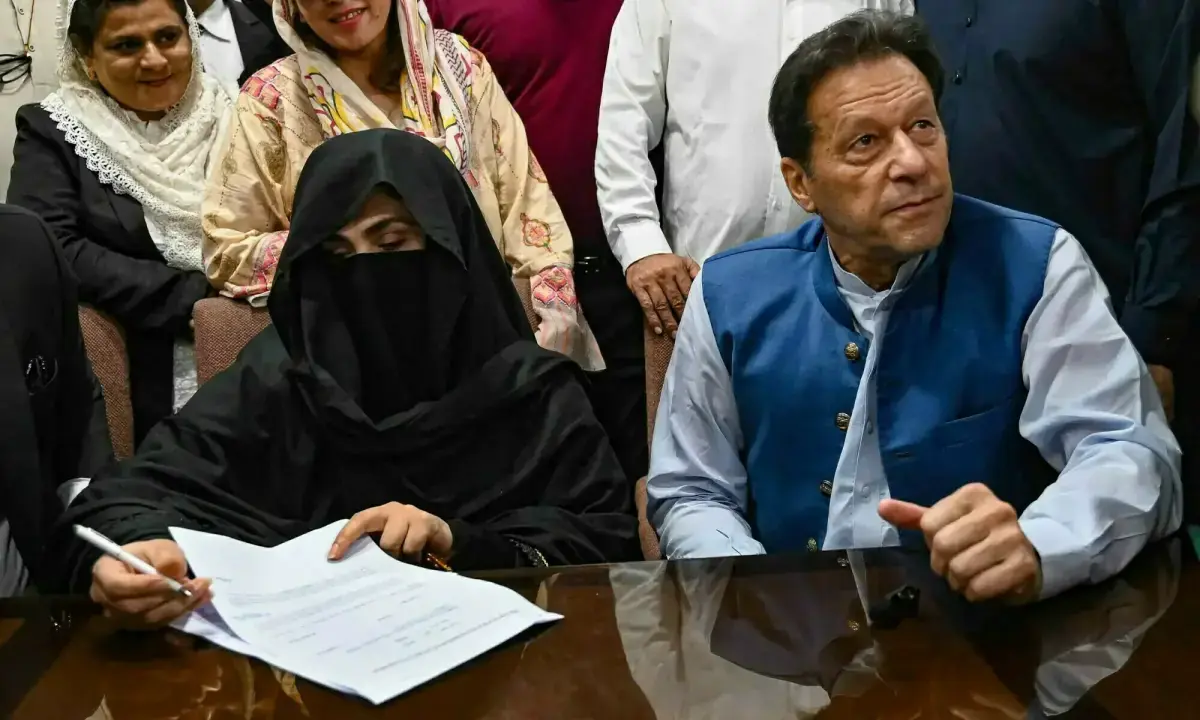
Imran Khan & Bushra Bibi Case: Lawyer Seeks Adjour...
Counsel for Imran Khan and Bushra Bibi has requested adjournment of the May 7 hearing in t...
-
Police Release Aurat March Activists After Brief D...
Karachi police have released Aurat March activists shortly after detaining them outside th...

-
Court Rejects Request for Meeting with PTI Founder...
A court has dismissed the application seeking permission to meet the PTI founder and also ...

-
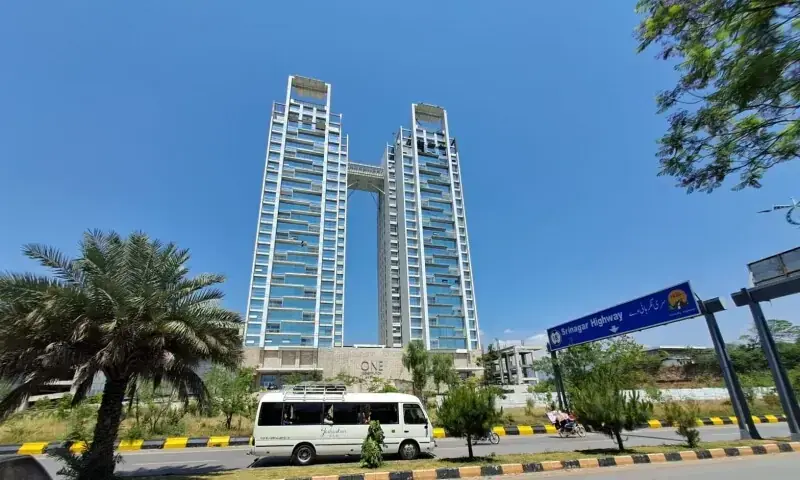
IHC Rules Buyers of One Constitution Avenue Apartm...
Islamabad High Court rules buyers of One Constitution Avenue apartments have no ownership ...
-
LHC Conditionally Suspends Rs5 Million Damages Ord...
The Lahore High Court has temporarily suspended a Rs5 million damages order against Meesha...