WORLD NEWS
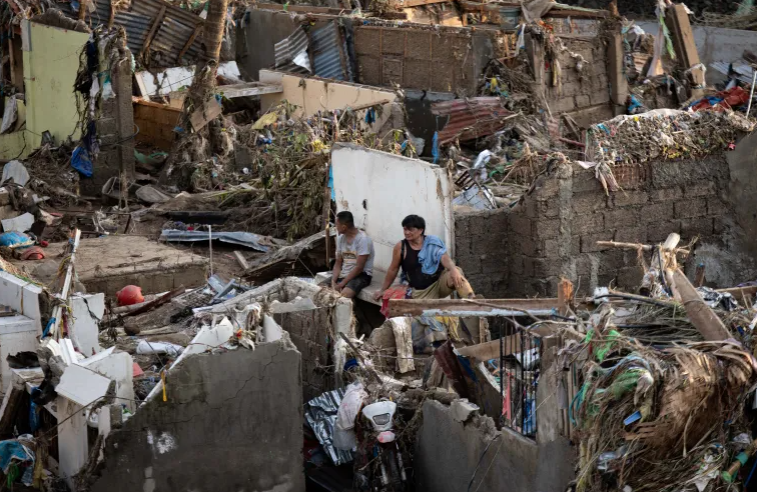
Typhoon Kalmaegi has wreaked havoc across Southeast Asia, killing over 204 people in the Philippines and at least five in Vietnam, flattening homes, uprooting trees, and cutting power to millions. The disaster has forced rescue operations to suspend temporarily as Typhoon Fung-wong approaches the Philippines, raising fears of further destruction.
Rising Concerns Over Typhoon Fung-wong
Authorities warned that Fung-wong could strengthen into a super typhoon before landfall, potentially affecting nearly the entire Philippines. Emergency shelters have been prepared nationwide, and officials urged residents in coastal and low-lying areas to evacuate immediately.
“Its radius is so wide it could cover almost the whole Philippines,” a government meteorologist said.
Philippine President Ferdinand Marcos Jr. declared a state of national emergency, noting that overwhelming rainfall had inundated flood defenses, forcing residents to take refuge on rooftops.
Human Toll and Displacement
In the province of Cebu, families mourned loved ones lost to floods and landslides, with rows of white coffins marking Kalmaegi’s deadly impact. Jimmy Abatayo, who lost his wife and nine relatives, expressed his grief:
“I told my family to swim, be brave and keep swimming. They did not hear what I said because I would never see them again.”
The Office of Civil Defense reported that Kalmaegi displaced over 500,000 people in the Philippines, with nearly 450,000 seeking shelter in evacuation centers or with relatives. Rescue teams continue searching for more than 100 missing individuals.
Vietnam Hit Hard
In Vietnam, five deaths were reported, along with three missing persons. The storm destroyed or damaged nearly 2,600 homes and cut power to over 1.6 million households. Heavy rainfall of up to 600mm (24 inches) caused flooding and widespread damage, particularly in Dak Lak, Gia Lai, Quang Ngai, and Quy Nhon. More than 537,000 Vietnamese residents were evacuated prior to Kalmaegi’s landfall.
Climate Crisis and Scientific Warnings
Scientists warn that storms like Kalmaegi are becoming stronger and more frequent due to climate change. Kristen Corbosiero, professor of atmospheric sciences at the University at Albany, stated:
“The warm waters that fuel these storms are there almost year-round. Rising sea temperatures are intensifying their destructive power.”
Kalmaegi was the fourth-strongest typhoon of the season, highlighting the growing risk of natural disasters in the region.
-
Iran Sets Three Ceasefire Conditions Amid Regional...
Iranian President Masoud Peshmerga demands recognition of Iran’s rights, compensation fo...

-
Iran’s New Supreme Leader Khamenei Vows Revenge,...
Iranian Supreme Leader Mojtaba Khamenei pledges to avenge martyrs and warns that the Strai...

-
Canada Rules Out Participation in War Against Iran...
Canadian PM Mark Carney states that Canada will never join a war against Iran, while suppo...

-
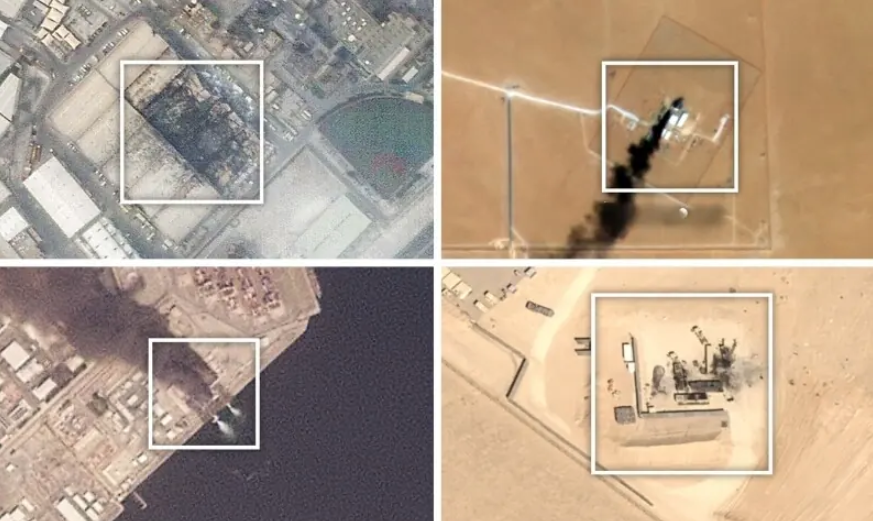
Iran Strikes Damage 17 US Installations in Middle ...
Satellite images show Iranian drone and missile attacks have damaged 17 US sites in the Mi...
-
Iran Targets Israeli Bases as US-Israel War Enters...
Iran’s military claims it struck Israeli airbases and Shin Bet headquarters as the US-Is...