MILITARY
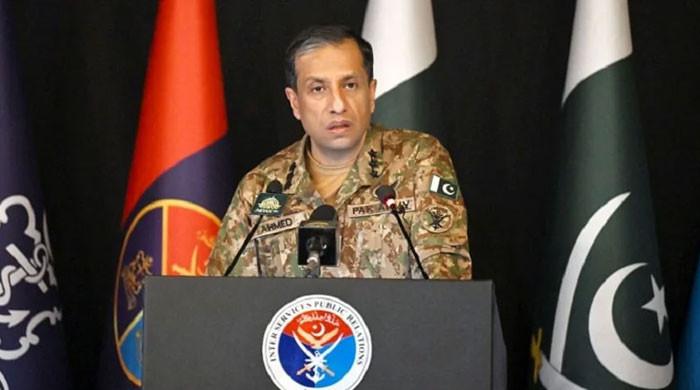
Director General Inter-Services Public Relations (ISPR) Lieutenant General Ahmed Sharif Chaudhry has said that 80 per cent of terrorist incidents in Pakistan occurred in Khyber Pakhtunkhwa, attributing the trend to a favourable political environment provided to terrorists in the province.
Briefing senior journalists on the performance of security forces during 2025, the army spokesperson said Pakistan carried out extensive counter-terrorism operations over the past year, reflecting the state’s firm and uncompromising stance against militancy.
He said that 75,175 intelligence-based operations (IBOs) were conducted across the country in 2025, during which 5,400 terrorist incidents took place and 1,235 law enforcers and civilians were martyred.
Lt Gen Ahmed Sharif said the state’s position against terrorism was clear and unwavering, adding that Pakistan’s counter-terrorism efforts had been widely appreciated by the international community. “The state is fully committed to eliminating terrorism. Khawarij have nothing to do with Islam,” he said.
Providing provincial details, the DG ISPR said that 14,658 IBOs were conducted in Khyber Pakhtunkhwa, 58,778 in Balochistan, and 1,739 in other parts of the country last year. He added that 27 suicide attacks were recorded during the year, with the majority occurring in KP.
“Terrorism began rising again in 2021,” he said, linking the surge to developments in Afghanistan following the Doha Agreement. He stated that the Afghan Taliban had made three key commitments under the Doha deal, including eliminating terrorism from Afghan soil and ensuring women’s education, but these promises were not fulfilled.
According to Lt Gen Ahmed Sharif, 2,597 terrorists were killed in 2025, yet Khyber Pakhtunkhwa remained the most affected province due to the space and facilitation available to militants. He said terrorist strongholds, including those of Al-Khawarij and Indian-backed elements, were located in Afghanistan, where militant groups were being nurtured.
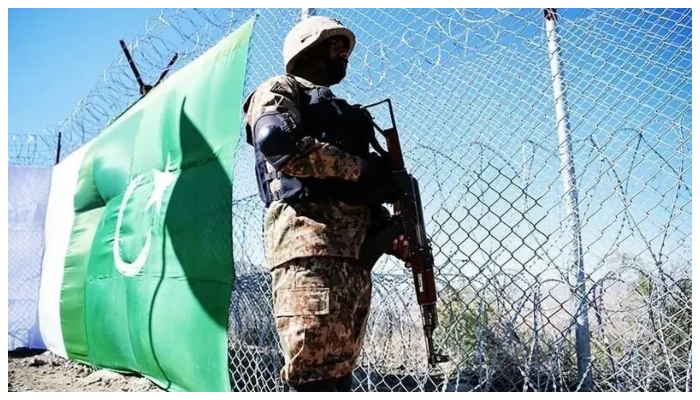
He recalled tensions on the Pak-Afghan border in October, saying Pakistan had repeatedly urged Afghan authorities to act against Khawarij elements. “When this did not happen, Pakistani posts were attacked and a strong response was given within hours,” he said, adding that dozens of Afghan posts were destroyed during clashes at Meerak Haq and other areas.
The DG ISPR said Pakistan had closed border crossings in recent months and the benefits of the decision were now becoming visible. He warned that if even “5 to 10 per cent” of the current terrorism threat had originated elsewhere, many states would not have survived.
He also claimed that the Afghan Taliban were developing the TTP in their own organisational style and sponsoring terrorism to sustain a “war economy”. He said terrorism in Pakistan was being sponsored by India, alleging that New Delhi intensified its support for militancy after losing the “war of truth”.
Referring to India’s so-called Operation Sindoor, Lt Gen Ahmed Sharif accused India of targeting civilians, women and children. “No one gave India the right to harm any Pakistani citizen or infrastructure,” he said.
He rejected the narrative that counter-terrorism was solely the army’s war, stressing that it was a war of the entire nation. “If terrorism is not eradicated today, tomorrow it will reach your schools, offices and streets,” he warned.
The army spokesperson said terrorists were increasingly using drones and armed quadcopters, often hiding in mosques, homes and public places, and using women and children as shields. “The Pakistan Army only targets terrorists and their facilitators,” he said.
Lt Gen Ahmed Sharif said there was no distinction or sympathy for any terrorist, adding that all political parties agreed on the National Action Plan, whose implementation was essential to eliminate terrorism.
He emphasised that the Constitution placed the sovereignty and integrity of Pakistan above all else, saying no politics, caste or group was greater than the country. “For us, all political parties, provinces and sects are equal,” he said, adding that the solution to all national problems lay within the Constitution.
-
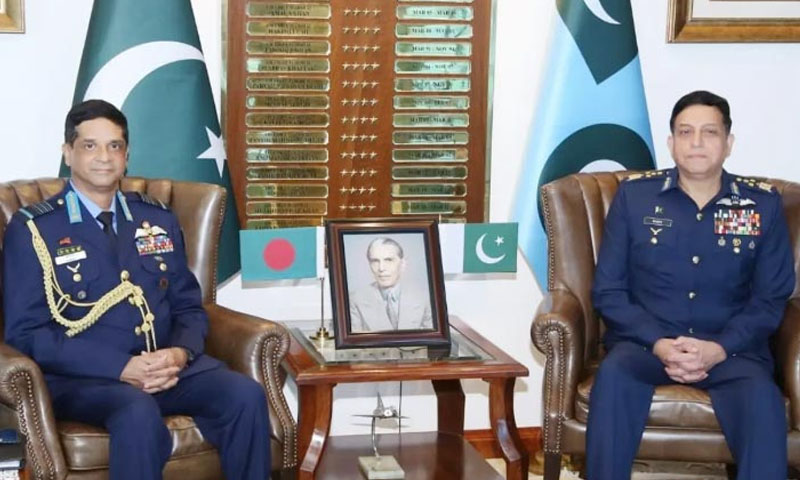
Pakistan, Bangladesh Discuss JF-17 Thunder Fighter...
Pakistan and Bangladesh air chiefs held talks in Islamabad on defence cooperation, includi...
-
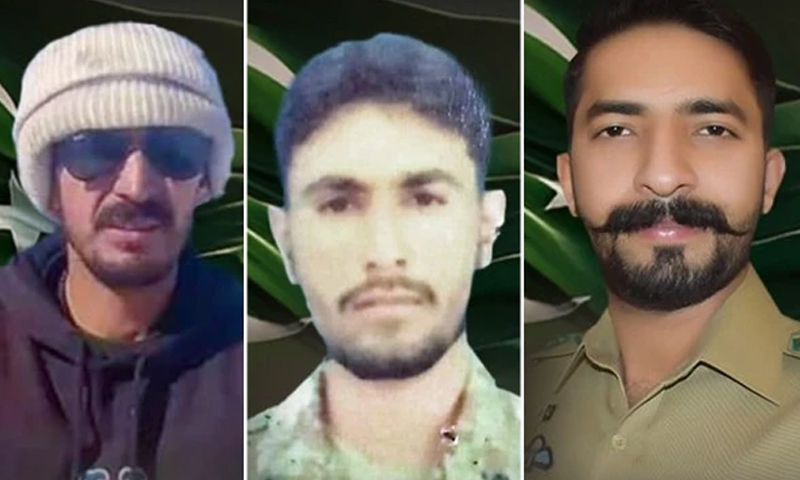
Pakistan Army Personnel Martyred in Barzal Pass Av...
Captain Asmad, Sepoy Rizwan, and machine operator Isa martyred in avalanche while clearing...
-
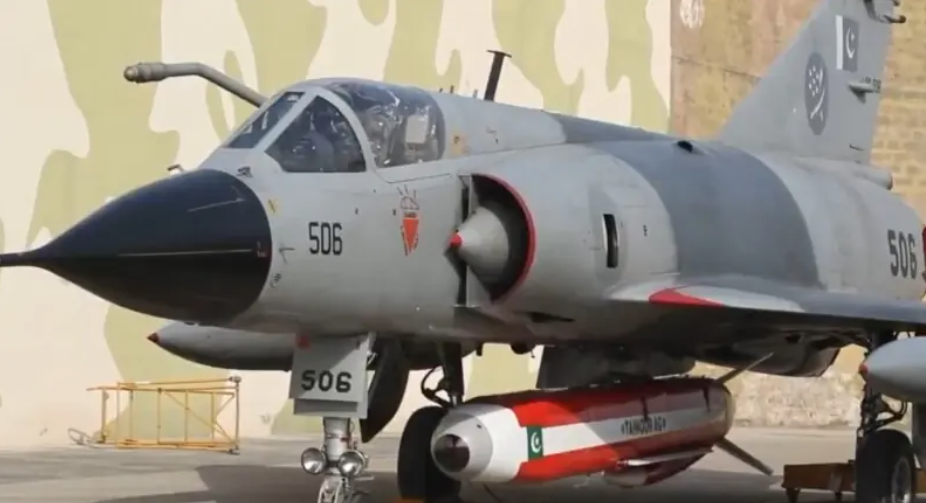
PAF Successfully Conducts Flight Test of Indigenou...
Pakistan Air Force successfully test-fires the indigenously developed “Taimoor” air-la...
-
One Killed, Three Injured in Terrorist Attack on P...
Unidentified terrorists attacked a police post in Bajaur’s Barang tehsil, killing one ci...
-
Pakistan Sees Sharp Rise in Terrorism in 2025, Sec...
Pakistan witnessed 699 terrorist attacks in 2025, marking a 34% rise. Over 1,000 lives los...