POLITICS & POLICY MAKING
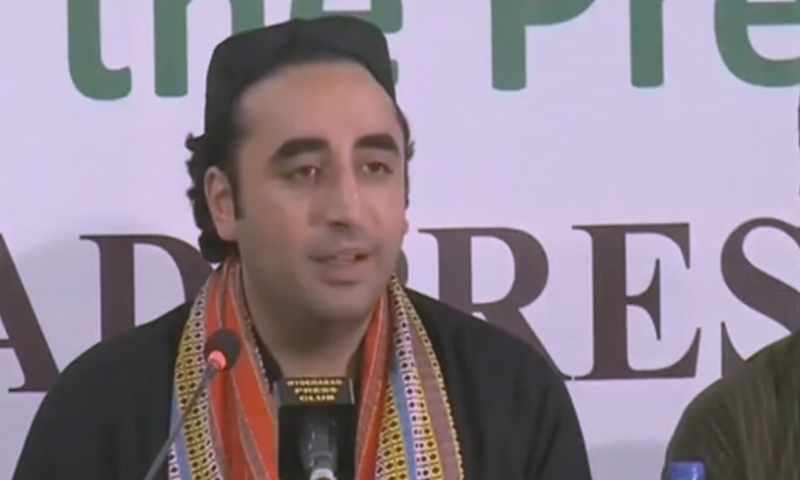
PPP Chairperson Bilawal Bhutto-Zardari on Wednesday alleged that “some powers” are attempting to deprive Sindh of its rights and resources, claiming this is being done under the pretext that the provincial government has underperformed. He made the remarks during the inauguration of the first phase of the Tharparkar Institute of Engineering, Science and Technology in Tharparkar.
“Efforts are made, a campaign is run to assassinate the character of not just Tharparkar but your entire province as part of a conspiracy and for a particular objective,” Bilawal said. “Some forces want to rob your province of its rights and resources and have them transferred back to Islamabad.”
The PPP chairperson highlighted the transformation of Tharparkar since 2008, crediting the 18th Amendment and PPP-led initiatives for its development. “Yes, there are problems, but the Tharparkar of 2026 is before you all,” he said.
Bilawal emphasized that the region’s abundant coal reserves, comparable to Saudi Arabia’s oil, are assets for the local population, but past federal governments hindered their utilisation. He noted that electricity generated in Tharparkar now contributes to the national grid, benefiting industrial centres in cities like Faisalabad.
“The economic development here has also triggered a social revolution,” he said, pointing to the expansion of health facilities, dispensaries, and hospitals, as well as the Thar Foundation, which supports social projects using coal profits.
Regarding education, Bilawal highlighted the Tharparkar Institute of Engineering, Science and Technology, initiated in 2019 by Nadirshah Edulji Dinshaw University of Engineering & Technology. He said the provincial government aims to establish it as a fully operational university by the end of its current term.
Bilawal further claimed that the number of universities in Sindh has doubled since 2008, asserting that the province has excelled in health and education sectors and is competing strongly with other provinces.
“Tharparkar’s progress is essential for Pakistan’s progress, just as the development of all four provinces is vital for the nation,” he concluded.
-
Federal Cabinet Forms Committee to Consider New Cu...
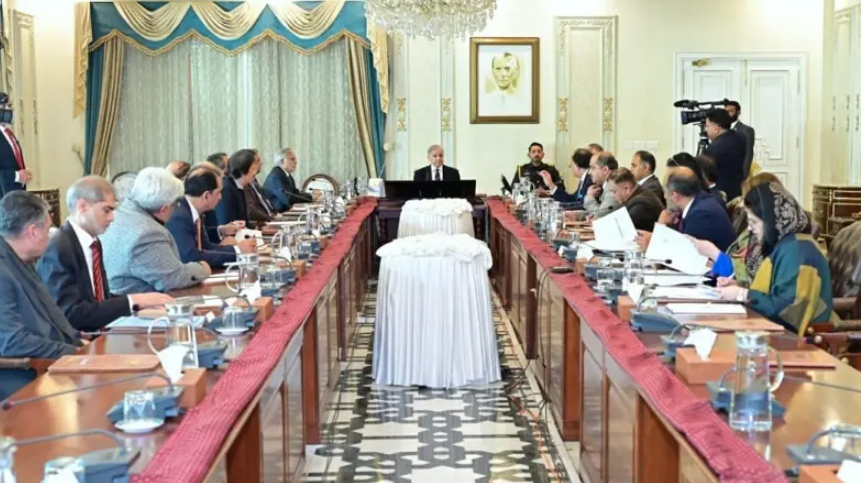
The federal cabinet, chaired by PM Shehbaz Sharif, forms a committee to consider new curre...
-
ECP Schedules Hearings for Three Code of Conduct C...
The Election Commission of Pakistan has scheduled hearings on Jan 20 for code of conduct c...
-
Speaker Sardar Ayaz Sadiq Concludes Consultations ...
Speaker Sardar Ayaz Sadiq has completed the consultation process for appointing the opposi...
-
President Zardari Holds Talks with Bahrain’s Kin...
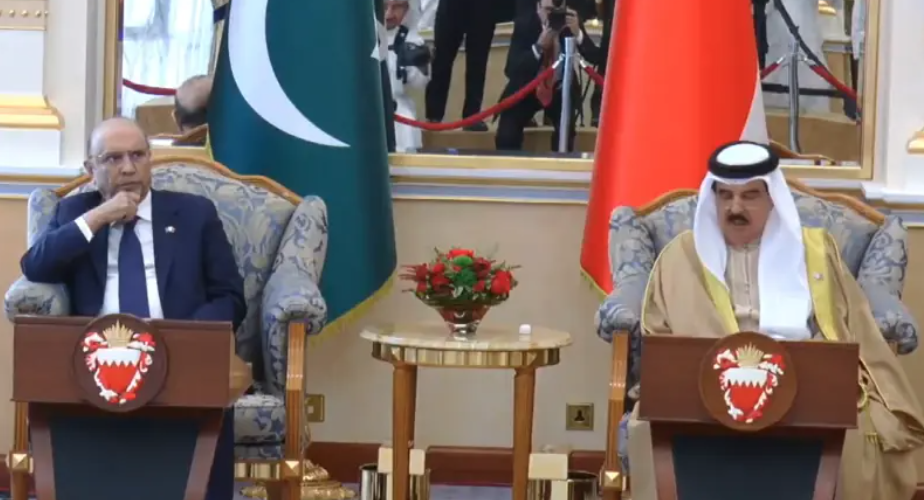
President Asif Ali Zardari meets King Hamad bin Isa Al Khalifa in Manama to discuss trade,...
-
Ali Amin Gandapur Confirms Evidence of Terror Atta...
Former KP CM Ali Amin Gandapur says Pakistan has clear documentary evidence that TTP carri...