TRADE & ECONOMY
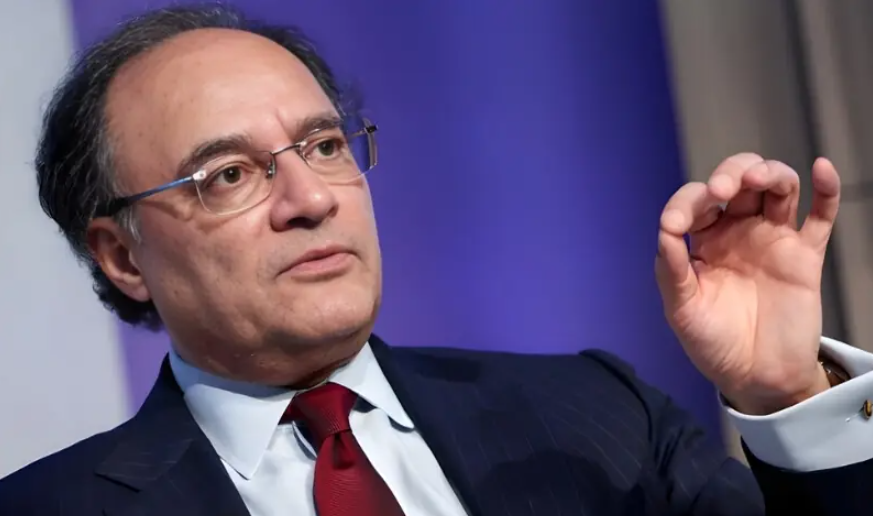
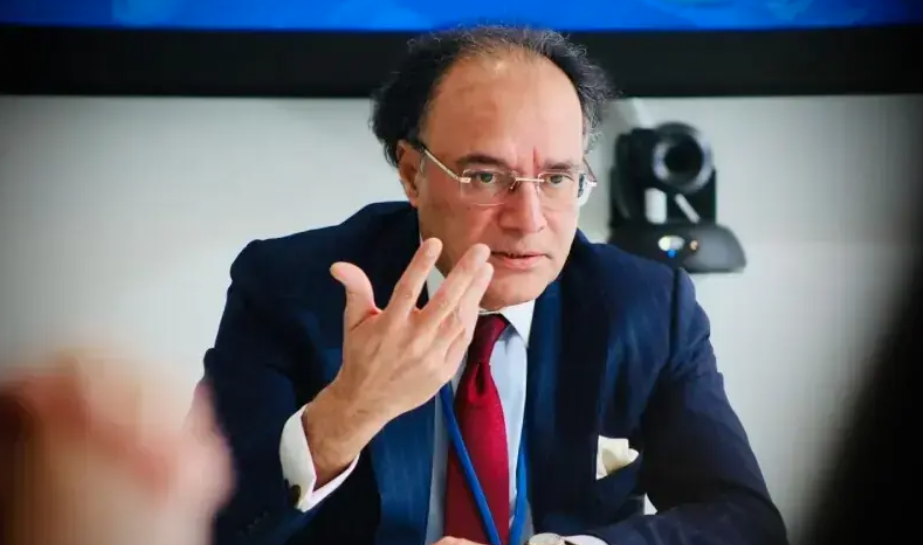
Finance Minister Muhammad Aurangzeb has said that sustainable development in Pakistan is not possible without comprehensive economic reforms, stressing that the government is taking multiple steps to stabilize the national economy.
Addressing the Pakistan Policy Dialogue on Wednesday, the finance minister acknowledged that some business companies were leaving the country due to high taxes and elevated energy prices. However, he said the government was actively introducing reforms to address these challenges and improve the business environment.
Aurangzeb said that tax policy formulation has now been placed under the Ministry of Finance, while the Federal Board of Revenue (FBR) would be responsible solely for tax collection. He described the move as part of broader institutional reforms aimed at improving efficiency and transparency.
Highlighting positive economic indicators, the finance minister said Pakistan received $38 billion in remittances last year, adding that this figure is expected to rise to $41 billion this year.
He noted that significant tax and tariff reforms were underway, along with major initiatives in the energy sector. Duties on raw materials have been reduced to boost industrial production and exports, he added.
Aurangzeb further stated that efforts were being made to bring unbanked individuals into the formal financial system. He announced that by June, all government payments would be shifted to digital channels.
Emphasizing the need to move towards an export-oriented economy, the finance minister said rationalizing tariffs and reducing trade costs were among the government’s top priorities.
Discussing privatization initiatives, he said local investors had participated in the privatization of Pakistan International Airlines (PIA), while 24 other state-owned institutions had been handed over to the Privatization Commission.
The finance minister revealed that nearly Rs1,000 billion was being wasted annually in government institutions, including Utility Stores, PWD, and PASSCO, due to inefficiencies and corruption in subsidy mechanisms. Reforms, he said, had been introduced to curb these losses.
He stressed that economic reforms would reduce pressure on the national exchequer, increase industrial output and exports, and strengthen the role of the private sector in economic growth.
“These initiatives can become an East Asia-style economic movement for Pakistan,” Aurangzeb said, adding that sustained reforms would continue to strengthen the country’s economy.
-
Electricity Rates Hiked Nationwide by Rs 1.63 per ...
NEPRA raises electricity prices by Rs 1.63/unit under January fuel price adjustment. Lifel...
-
UAE Rolls Over $2B Loan to Pakistan, SBP Governor ...
SBP Governor Jameel Ahmad says UAE loan of $2B to Pakistan now on monthly rollover, not re...
-
Finance Minister Warns on Fuel Stocks as Iran War ...
Finance Minister Muhammad Aurangzeb says no fuel shortage in Pakistan but urges conservati...
-
Pakistan Seeks Saudi Oil Route via Yanbu After Str...
Pakistan has formally asked Saudi Arabia to route oil supplies through Yanbu after the Str...
-
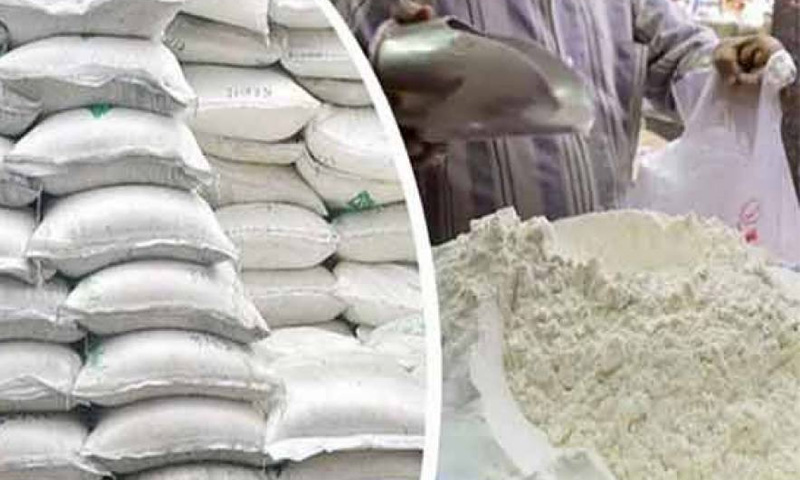
Flour Prices Rise Again in Peshawar Ahead of Ramad...
Flour prices in Peshawar have increased: 20kg mixed flour is now Rs 2,500 and fine flour R...