TRADE & ECONOMY
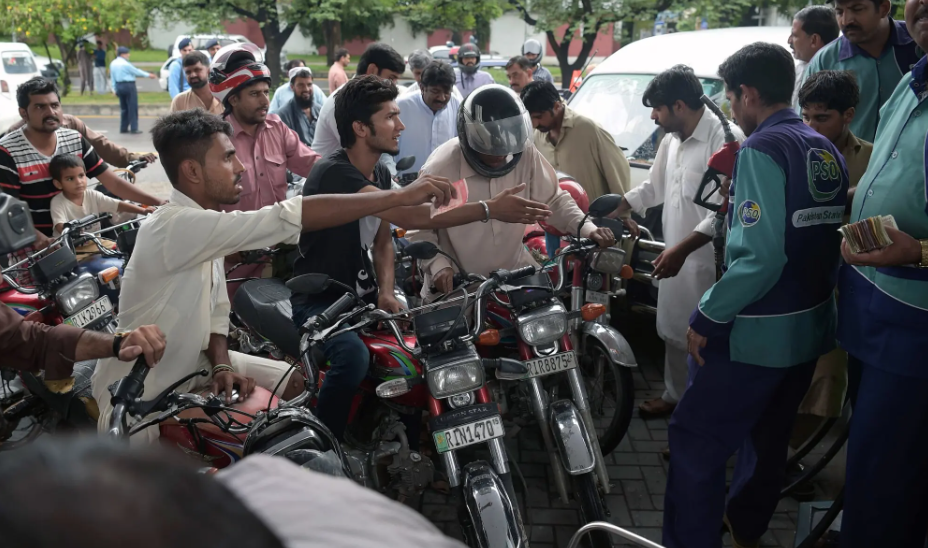
The government of Pakistan has finalised a mobile application-based fuel quota system aimed at providing targeted subsidies to low-income groups while curbing excessive fuel consumption amid rising global oil prices.
According to officials, the system has been developed and tested by the Oil and Gas Regulatory Authority in collaboration with the ministries of finance, petroleum, and information technology. The initiative is designed primarily for two- and three-wheelers, though authorities are still considering whether to extend it to small vehicles up to 800cc.
The proposed system will operate through a fully automated mobile application. Consumers will use a dedicated app to generate digital vouchers linked to their vehicle registration number and Computerised National Identity Card (CNIC), while fuel retailers will verify these vouchers through a separate application.
Under the mechanism, users will only be able to purchase fuel within their allocated quota. For instance, if a user requests more fuel than their quota allows, the system will automatically restrict the transaction to the permitted limit.
To ensure smooth implementation, petrol pumps will be required to install at least two mobile devices to run the system. The Ministry of Information Technology and Telecommunication is coordinating with mobile manufacturers to supply specialised devices for this purpose. Retailers will deposit funds into designated government accounts to facilitate procurement.
The subsidy component will focus on motorcycles and rickshaws, with dedicated fuel dispensers at petrol stations for subsidised supply. A final decision is pending on whether small cars will also be included in the scheme.
Oil marketing companies will appoint focal persons at each retail outlet to ensure operational efficiency and provide round-the-clock support. Their details will be shared with Ogra and the petroleum division for monitoring and complaint resolution.
The move comes as Pakistan faces mounting pressure on its fuel supply chain due to global market volatility. Disruptions linked to tensions in the Middle East, particularly around the Strait of Hormuz, have driven oil prices higher, increasing the country’s import bill.
Officials revealed that maintaining current fuel prices for just two weeks has already cost the national exchequer approximately Rs70 billion. The government is currently absorbing these costs through budget adjustments, including cuts in development spending and emergency allocations.
Policy experts within the government argue that aligning fuel prices with global trends could encourage conservation and reduce unnecessary consumption. Earlier this month, petrol and diesel prices were increased significantly, although rates have since been held steady in subsequent revisions.
Meanwhile, the government is also engaged in diplomatic efforts with regional players, including Iran and Saudi Arabia, to manage the broader energy crisis.
Officials say the app-based quota system is being fast-tracked to ensure transparency, consistency, and targeted relief, particularly for vulnerable segments such as motorcyclists and rickshaw drivers who are most affected by rising fuel costs.
The initiative reflects the government’s attempt to balance fiscal constraints with public relief, while also promoting efficient energy consumption during a period of economic and geopolitical uncertainty.
-
64% of Pakistan’s State-Owned Enterprises Yet to...
Over 64% of Pakistan’s state-owned enterprises remain unaudited, raising concerns over t...
-
Cabinet Committee Confirms Stable Oil & Gas Reserv...
Pakistan’s Cabinet Committee on Petroleum says oil and gas reserves are satisfactory; im...
-
ADB Launches Financial Support Package to Help Asi...
Asian Development Bank rolls out rapid budget and trade support to help developing member ...
-
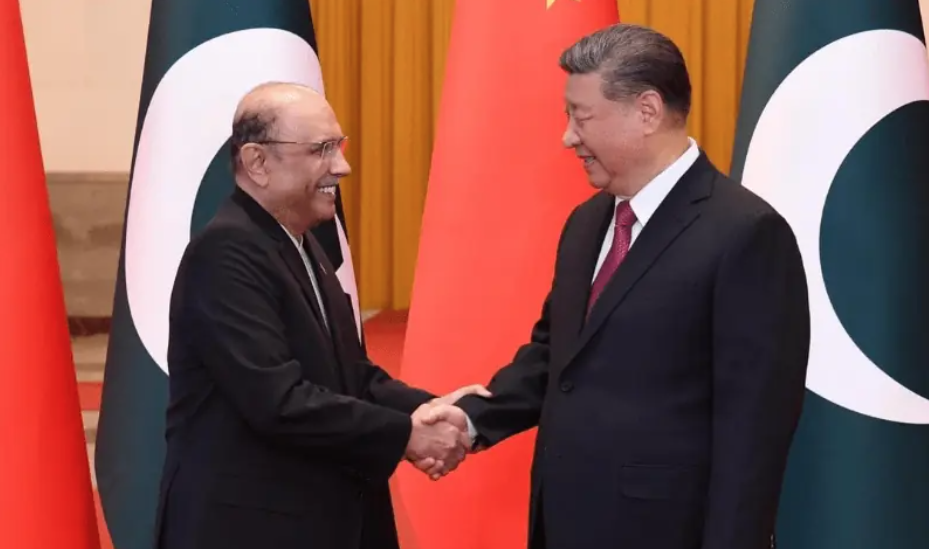
Xi Jinping Reaffirms Strong China-Pakistan Ties in...
Chinese President Xi Jinping congratulates Pakistan on Pakistan Day, pledging deeper coope...
-
Study Warns Pakistan of Economic Risks if Strait o...
Pakistan Institute of Development Economics warns that closure of the Strait of Hormuz cou...