TRADE & ECONOMY
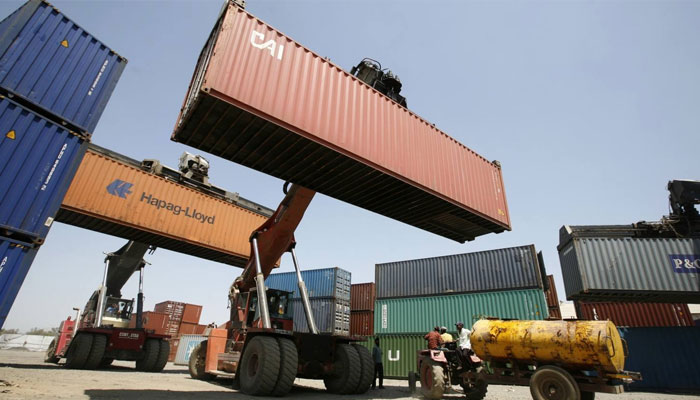
The International Monetary Fund (IMF) has projected that Pakistan’s exports are likely to reach $46 billion by 2030, significantly lower than the government’s target of $60 billion. The IMF’s forecast estimates a decline of $13.79 billion relative to the government’s expectations.
According to IMF data, Pakistan’s total exports are expected to reach $36.46 billion in the next fiscal year, $40 billion in 2028, and approximately $43 billion in 2029, culminating in the $46 billion projection by 2030. This forecast contrasts sharply with the federal government’s export ambition, which had initially aimed to achieve $60 billion within three years before extending the target timeline to five years.
The IMF also highlighted a substantial rise in imports over the same period. Pakistan’s imports are expected to exceed $64 billion in the current fiscal year, increasing to $66.86 billion in 2027, $72.9 billion in 2028, $77 billion in 2029, and $82.81 billion by 2030.
The projections indicate a widening trade deficit, with imports expected to grow by $18.7 billion by 2030. Analysts say the gap between exports and imports underscores structural challenges in Pakistan’s trade sector, including limited value addition, dependence on imports for raw materials, and fluctuating global demand.
The government has repeatedly emphasized its commitment to boosting exports, introducing policies aimed at incentivizing export-oriented industries, attracting foreign investment, and enhancing competitiveness. However, IMF projections suggest that achieving the $60 billion target may require stronger policy implementation, improved industrial productivity, and diversification of export markets.
The trade imbalance remains a critical economic concern, as rising imports alongside slower export growth could put pressure on Pakistan’s foreign reserves and overall macroeconomic stability.
-
Pakistan Shifts Focus from Aid to Trade, Eyes GCC ...
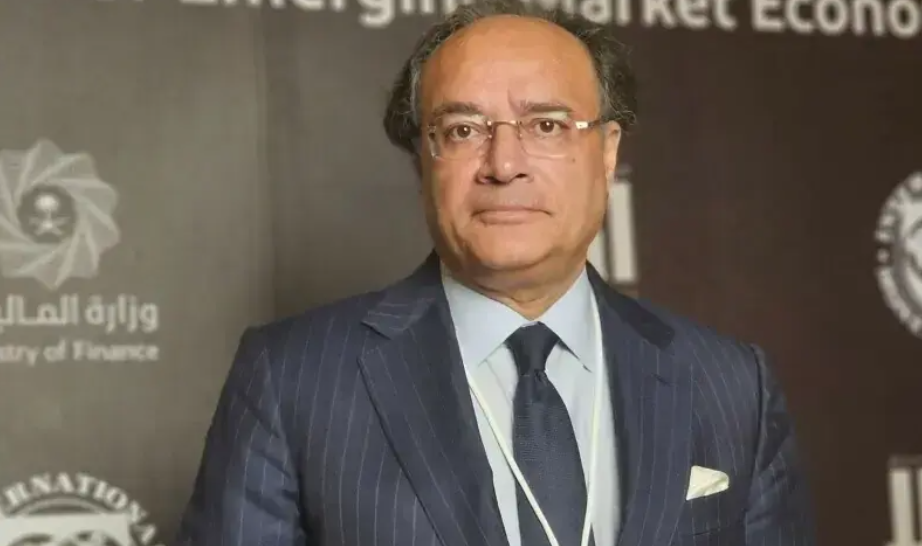
Finance Minister Aurangzeb says Pakistan is moving from aid reliance to trade- and investm...
-
State Bank of Pakistan Reduces Interest Rate by 50...
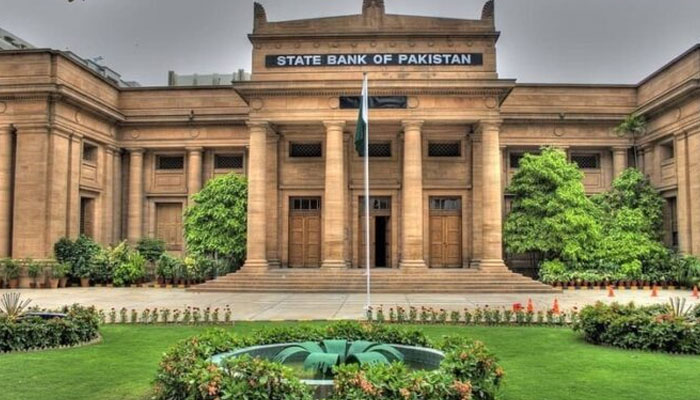
State Bank of Pakistan slashes interest rate by 50bps, bringing it down to 10.5% amid econ...
-
SBP to Mandate Biometric and Facial Verification f...
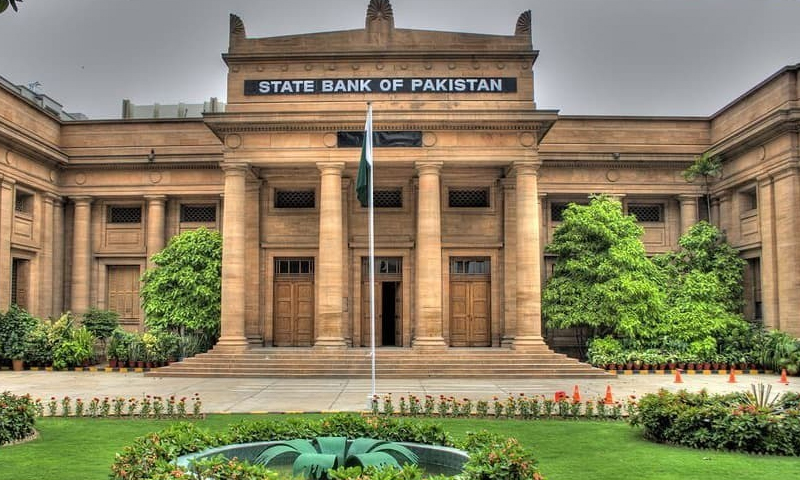
State Bank of Pakistan mandates that from Jan 1, 2025, all citizens buying or selling fore...
-
Assets of Civil Servants, Lawmakers to Go Public b...
Finance Minister Muhammad Aurangzeb says assets of civil servants and parliamentarians wil...
-
US $686m Defence Package to Upgrade Pakistan’s F...
The US has approved a $686m defence package to modernise Pakistan’s F-16 fighter jets, e...