WORLD NEWS

Just before dawn on August 7, U.S. President Donald Trump publicly called for Intel CEO Lip-Bu Tan to resign, citing his past investments in China. Despite the attack, Tan turned the situation into a strategic victory for the company.
Within weeks, Tan met Trump in the Oval Office for a pivotal 40-minute discussion, emerging with a $5.7 billion cash infusion from the U.S. government, which now holds nearly a 10% stake in Intel. The deal gave Intel a “too-strategic-to-fail” profile and opened doors for partnerships with top tech companies.
Tan, a seasoned venture capitalist with decades of dealmaking experience, has been reshaping Intel since joining as CEO in March. Under his leadership, Intel has secured a $5 billion investment from Nvidia and a $2 billion investment from SoftBank. The company has also elevated its government affairs unit, with a Trump economic adviser leading the function.
The infusion from the U.S. government, structured in exchange for equity, was a response to Trump’s push for reshoring critical manufacturing and strengthening American semiconductor production. Commerce Secretary Howard Lutnick confirmed that the equity deal created a “fair” exchange.
Tan has also restructured Intel’s leadership and streamlined operations, laying off approximately 15% of staff, many from management, and elevating engineering leaders to key decision-making roles. He is hands-on with product roadmaps and next-generation chip manufacturing processes, including Intel’s 14A and 18A technologies.
While some analysts and former Intel insiders questioned Tan’s engineering depth for chipmaking, his strengths as a dealmaker and strategist have been evident in securing investments and partnerships critical for Intel’s AI and manufacturing ambitions.
Intel shares have risen roughly 80% since Tan’s appointment, outperforming both the S&P 500 and Nvidia. Despite ongoing challenges in producing high-end chips in-house, the U.S. equity infusion and strategic partnerships have given Intel renewed momentum in the competitive semiconductor landscape.
An Intel spokesperson highlighted that Tan is “highly engaged” and focused on transforming Intel into an engineering-centric, customer-focused company while maintaining his extensive investment network.
-
NSW Passes Toughest Gun and Anti-Terror Laws Follo...
In response to the Bondi Beach attack, New South Wales enacts sweeping gun limits, bans te...

-
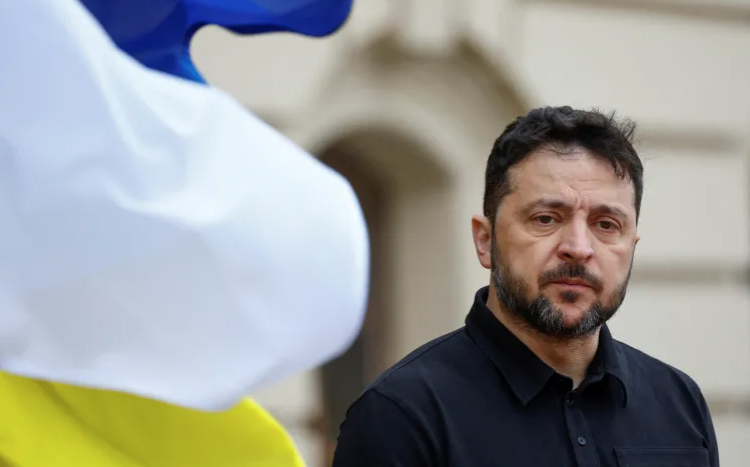
Zelenskyy Seeks Meeting with Trump as Ukraine-US P...
Ukrainian President Zelenskyy calls for a leaders’ level meeting with Donald Trump to re...
-
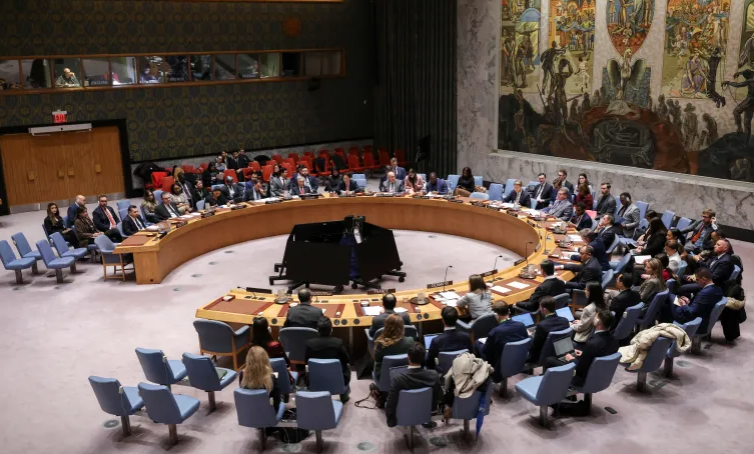
UN Experts Condemn US Naval Blockade on Venezuela ...
Four UN human rights experts denounce the US partial naval blockade of Venezuela, calling ...
-
Three Killed in Israeli Airstrike in Southern Leba...
At least three killed in Israeli strikes near Sidon, Lebanon, violating the 2024 ceasefire...

-
Senior Russian General Killed in Car Bomb in Mosco...
A car bomb in southern Moscow killed Lieutenant General Fanil Sarvarov, hours after US-med...