WORLD NEWS
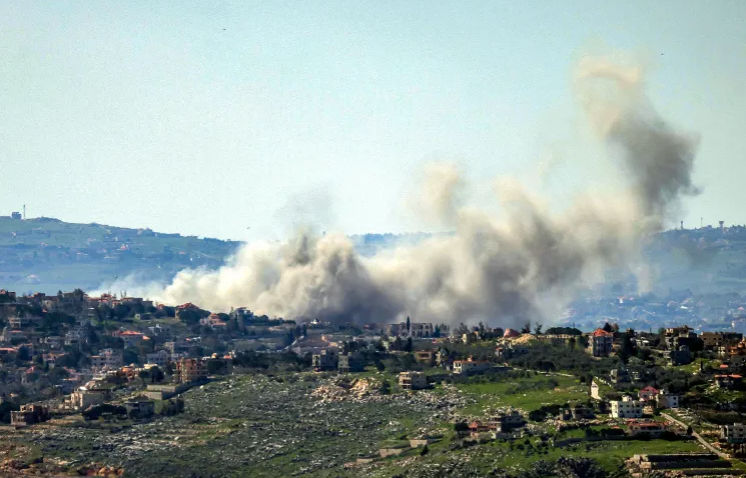
Israeli forces launched a series of airstrikes across southern Lebanon on Tuesday, escalating the ongoing conflict between Israel and the Iran-backed Lebanese group Hezbollah, which has intensified since the killing of Iranian Supreme Leader Ali Khamenei on February 28.
Israeli attacks targeted the southern city of Tyre (Sour), Qabrikha, Deir Siryan, Taybeh, and the southern suburbs of Beirut, collectively known as Dahiyeh, home to hundreds of thousands. The Israeli army urged residents to evacuate at least 300 meters away from potential strike zones.
The Lebanese National News Agency (NNA) reported multiple casualties, including four killed in Bint Jbeil and the death of Maronite Catholic priest Pierre al-Rahi in Qlayaa, who was struck by Israeli tank fire while attempting to help locals. Al-Rahi had previously stated his commitment to defend the village peacefully, emphasizing non-violence.
Hezbollah responded with missile attacks on central Israel, including the Givaa drone control base and Yiftah barracks, injuring at least 16 people. Fighters also ambushed Israeli troops near Khiam, reportedly destroying three Merkava tanks.
The Israeli army claimed it targeted Hezbollah infrastructure and financial networks, including the Al-Qard al-Hasan association, alleging links to militant operations. Human rights organizations have previously warned that attacks on civilian institutions should be investigated as potential war crimes.
European Union foreign policy chief Kaja Kallas called on both Israel and Hezbollah to halt hostilities and return to the November 2024 ceasefire, warning of escalating humanitarian consequences. Lebanese President Joseph Aoun expressed readiness for direct negotiations with Israel, accusing Hezbollah of threatening the state’s stability.
The conflict has had a severe humanitarian impact. At least 486 people have been killed in Israeli strikes since last week, and over 100,000 people were displaced in a single day, bringing the total displaced to more than 667,000, according to UNHCR representatives in Beirut.
The clashes underscore the fragility of Lebanon’s security and the potential for wider regional escalation, as both sides maintain military operations while civilians bear the brunt of the violence.
-
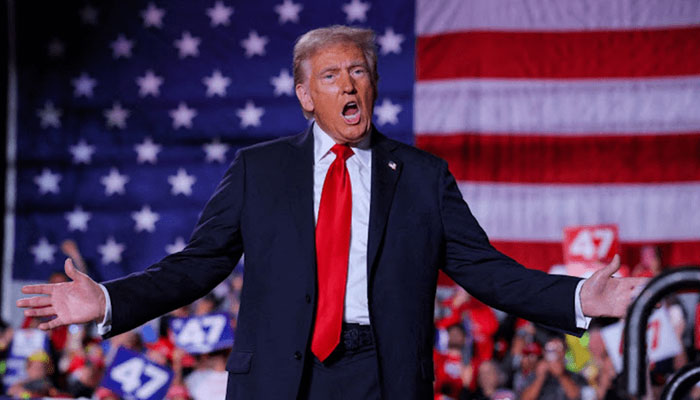
Trump Blames Advisors for Iran Conflict, Warns of ...
Trump blames Kushner, Witkoff & Hegseth for Iran escalation. Claims Iran “would have att...
-
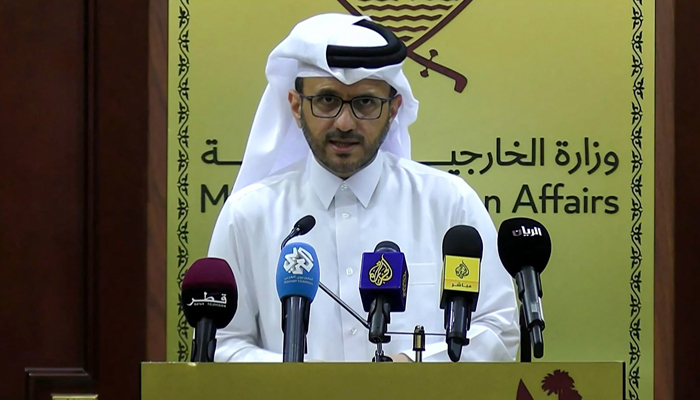
Qatar Maintains Diplomatic Channel with Iran Amid ...
Qatar says communication with Iran remains open despite rising Gulf tensions. PM held one ...
-
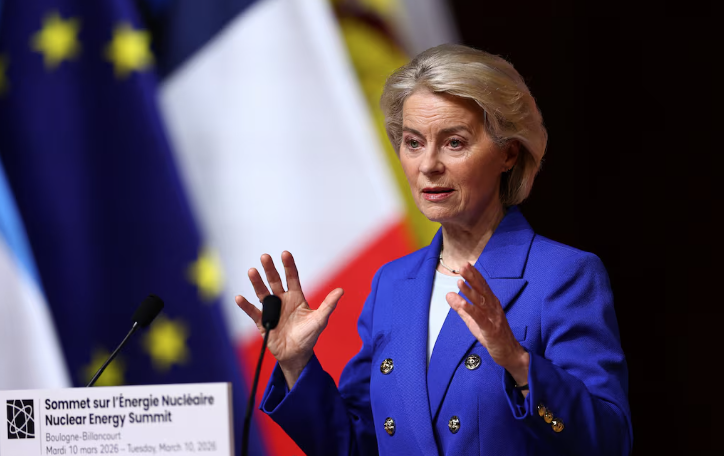
Von der Leyen Calls EU Nuclear Phase-Out a “Stra...
European Commission chief Ursula von der Leyen says reducing nuclear power was a "strategi...
-
EU’s Antonio Costa Says Russia Is Only Beneficia...
European Council President António Costa warns that Russia is the sole country benefiting...
-
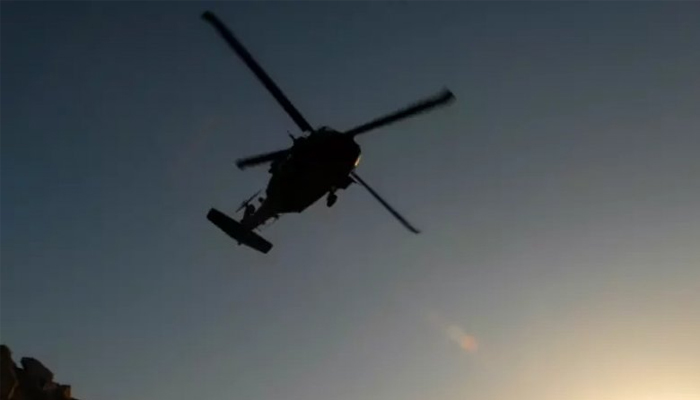
Helicopter Crash in UAE Kills Two Armed Forces Per...
A UAE helicopter crashed due to a technical fault, killing two military personnel. The Min...