TRADE & ECONOMY
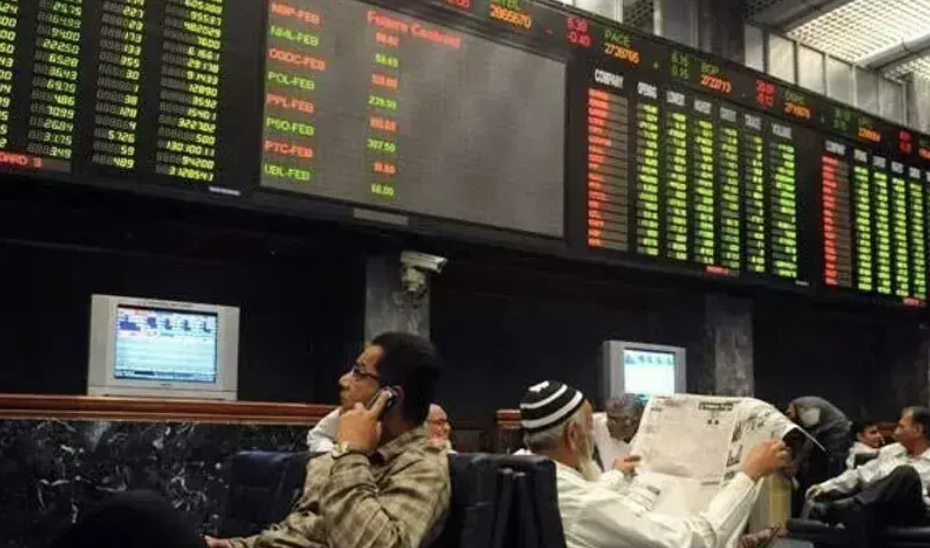
The KSE-100 Index suffered a historic crash on Monday, plummeting 11,015.96 points, or 6.99 per cent, amid rising geopolitical tensions and surging global oil prices. The benchmark index closed at 146,480.14 points, down from the previous close of 157,496.10 points.
Trading volume for the day stood at 378 million shares, with a total turnover of approximately Rs33 billion.
The heaviest losses were seen in major movers including K-Electric Limited, which dropped 7.81 per cent to Rs7.20 on 127 million shares, First National Equities Limited, which fell 12.21 per cent to Rs1.15 on 33.6 million shares, and The Bank of Punjab, which slumped 10.01 per cent to Rs25.45 on 33.3 million shares.
Trading was temporarily halted at 9:20am after the index lost 9,780.15 points, prompting the Pakistan Stock Exchange to suspend all equity-based markets in accordance with regulations triggered when the KSE-30 index drops 5 per cent or more from the previous day’s close.
Once trading resumed, the index fell further, recording a decline of 13,157.62 points before making a minor recovery by the close.
Analysts attributed the sharp sell-off to escalating regional conflict and a sharp rise in global oil prices, which weighed heavily on investor sentiment. According to Reuters, Brent crude surged nearly 25 per cent on Monday, marking its highest level since mid-2022, while gold prices fell 2 per cent amid fears over energy supply disruptions.
The market turbulence comes as the government reacts to rising fuel prices, having raised petrol and high-speed diesel by Rs55 per litre last week, the largest single hike in history. Investors are also anticipating a national austerity plan, expected to be announced by Prime Minister Shehbaz Sharif, in response to the ongoing global fuel crisis and regional instability.
The dramatic decline underscores the fragile state of Pakistan’s equity market, which continues to face external risks, macroeconomic uncertainty, and the direct impact of global commodity shocks.
-
SBP Keeps Policy Rate Unchanged at 10.5% Amid Glob...
Pakistan’s central bank keeps the policy rate at 10.5% as global fuel prices surge due t...
-
Pakistan Railways Hikes Passenger and Freight Fare...
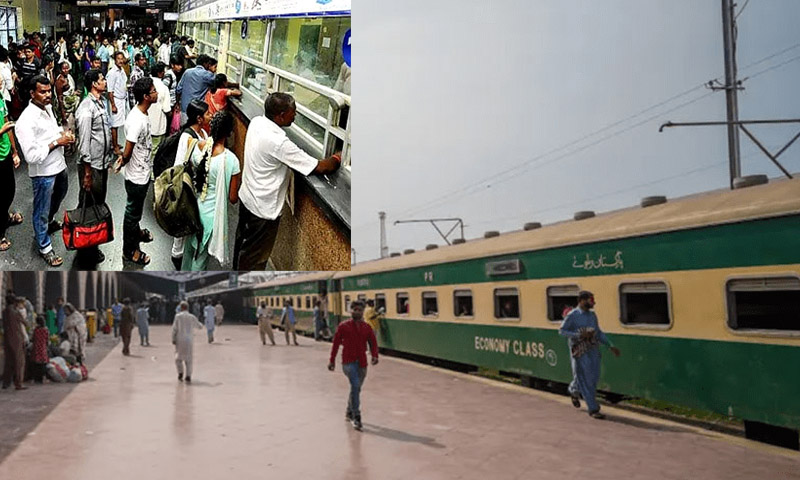
Following a 20% increase in diesel prices, Pakistan Railways will raise economy fares by 5...
-
Karachi University Shifts Morning Classes Online A...
University of Karachi has decided to conduct morning classes online from March 9 until the...
-
PM Shehbaz Orders Strategy to Conserve Fuel, Ensur...
After a Rs55 per litre fuel price hike, PM Shehbaz Sharif has directed finance and petrole...
-
Government Increases Petrol and Diesel Prices by R...
Petrol rises to Rs 321.17 and diesel to Rs 335.86 per liter as government cites regional c...