TRADE & ECONOMY
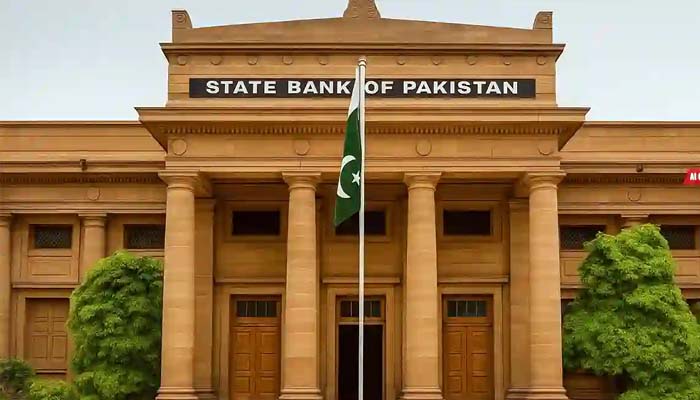
The State Bank of Pakistan (SBP) on Monday decided to maintain its key policy rate at 10.5 per cent, citing growing global uncertainty triggered by the ongoing conflict in the Middle East and its potential impact on Pakistan’s economy.
The decision was announced through the central bank’s official account on X, followed by a detailed statement released by the bank’s Monetary Policy Committee (MPC) later in the day.
According to the MPC, recent economic data broadly aligns with the macroeconomic projections shared after the January policy meeting. However, the committee noted that the economic outlook has become increasingly uncertain following the outbreak of war in the Middle East.
The central bank said the conflict has triggered a sharp rise in global fuel prices as well as increased freight and insurance costs. These developments are also disrupting cross-border trade and travel, adding further uncertainty to the global economic environment.
“The intensity and duration of the conflict will be critical factors in determining its impact on Pakistan’s domestic economy,” the MPC stated.
Despite these risks, the committee emphasised that Pakistan’s macroeconomic fundamentals have improved significantly compared with the period when the Russia-Ukraine War began in early 2022. It highlighted the role of prudent monetary and fiscal policies in strengthening the economy’s resilience to external shocks.
The MPC’s preliminary assessment suggests that the outlook for key macroeconomic indicators for fiscal year 2026 remains within previously projected ranges. Nevertheless, it warned that risks to the economic outlook have risen substantially due to global geopolitical tensions.
The committee also highlighted several key domestic economic developments. Inflation rose to 5.8 per cent in January and 7 per cent in February, while the country recorded a current account surplus in January along with a buildup in foreign exchange reserves. Meanwhile, large-scale manufacturing posted 0.4 per cent year-on-year growth, and consumer inflation expectations and confidence showed signs of improvement.
However, the MPC noted that tax collection by the Federal Board of Revenue (FBR) remained below target in both January and February. It also pointed to the announcement of global uniform tariffs by the US administration as another factor contributing to international economic uncertainty.
The central bank stressed that uncertainty in international commodity prices and potential supply-chain disruptions — particularly in light of the Middle East conflict — were major considerations behind its decision to keep the policy rate unchanged.
“The committee deemed today’s decision appropriate and reaffirmed its commitment to ensuring hard-earned price stability,” the statement said, while also emphasising the need for structural reforms to achieve sustainable economic growth.
Market analysts had largely anticipated the move. Brokerage firm Topline Securities said the decision was in line with its expectations, while a survey conducted by Reuters earlier this month also showed broad consensus among economists that the central bank would keep rates steady.
Pakistan has already begun to feel the economic consequences of escalating tensions involving the United States, Israel and Iran. The crisis has reportedly led to the closure of the Strait of Hormuz, one of the world’s most critical oil shipping routes, pushing global energy prices sharply higher.
In international markets, Brent crude oil has surged amid fears of supply disruptions, while gold prices fell about 2 per cent.
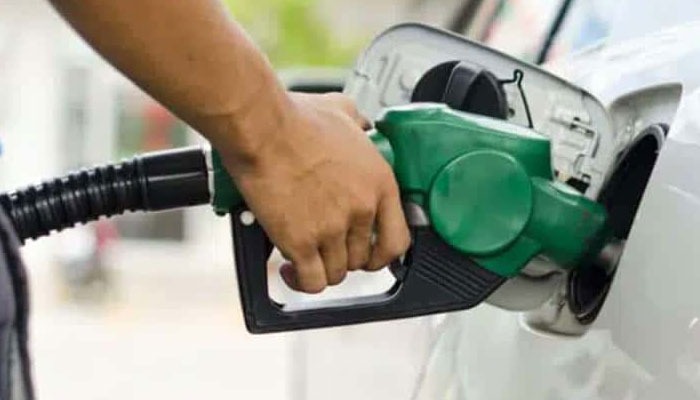
As Pakistan imports the majority of its energy requirements, fluctuations in global oil prices directly affect domestic inflation. Reflecting these pressures, the government last week increased petrol and high-speed diesel prices by Rs55 per litre, the largest single hike on record.
Pakistan is also currently operating under a $7 billion programme with the International Monetary Fund (IMF). The lender has urged policymakers to maintain a tight, data-driven monetary policy to keep inflation expectations anchored and strengthen the country’s external financial buffers.
The SBP has already cut the policy rate by 1,150 basis points since mid-2024, reducing it from the record 22 per cent reached in 2023, as inflation cooled from multi-decade highs.
However, with global tensions rising and fuel prices climbing, policymakers now face the challenge of balancing economic stability with growth while navigating an increasingly uncertain global environment.
-
KSE-100 Plunges 11,016 Points Amid Geopolitical Te...
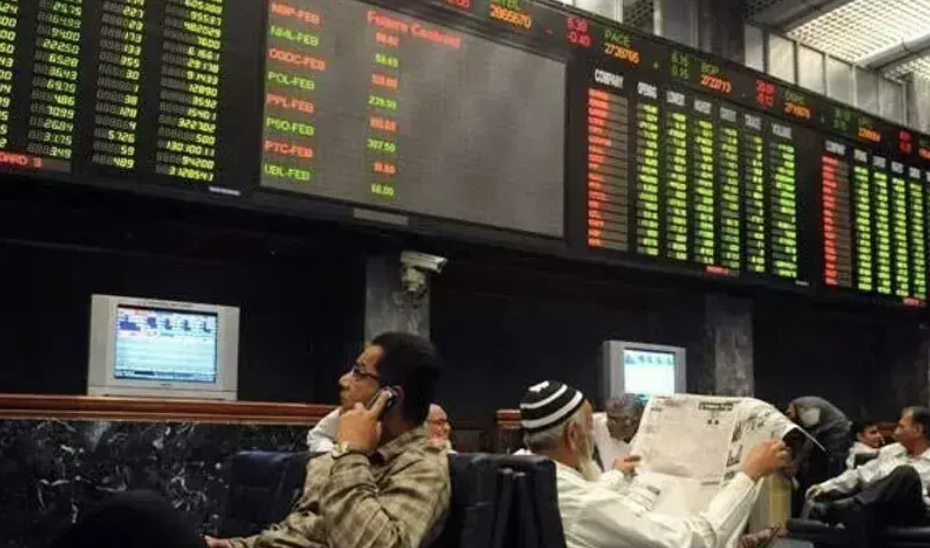
Pakistan’s KSE-100 index falls 11,016 points (6.99%), dragged down by soaring oil prices...
-
Pakistan Railways Hikes Passenger and Freight Fare...
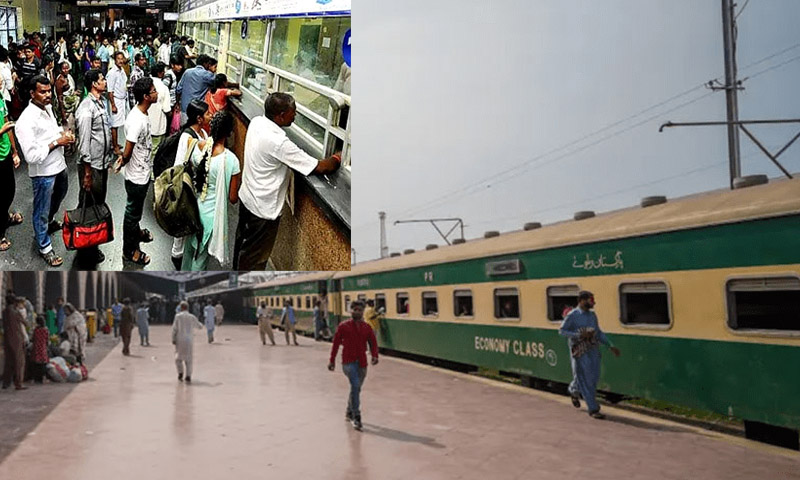
Following a 20% increase in diesel prices, Pakistan Railways will raise economy fares by 5...
-
Karachi University Shifts Morning Classes Online A...
University of Karachi has decided to conduct morning classes online from March 9 until the...
-
PM Shehbaz Orders Strategy to Conserve Fuel, Ensur...
After a Rs55 per litre fuel price hike, PM Shehbaz Sharif has directed finance and petrole...
-
Government Increases Petrol and Diesel Prices by R...
Petrol rises to Rs 321.17 and diesel to Rs 335.86 per liter as government cites regional c...