POLITICS & POLICY MAKING
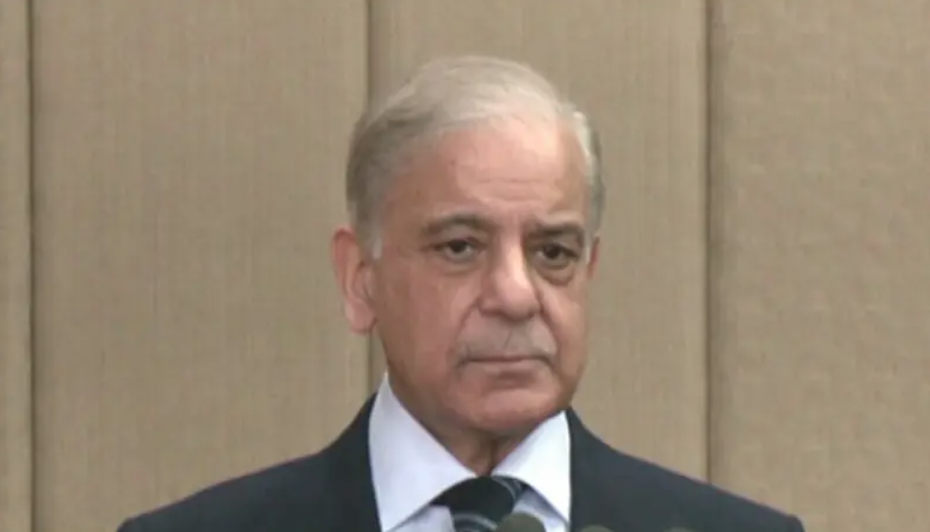
Prime Minister Shehbaz Sharif on Tuesday said Pakistan was “forced” to halt all trade with Afghanistan due to the interim Afghan government’s failure to take action against terrorist groups operating from its territory.
Addressing a national workshop in Islamabad, the prime minister said the complete blockade of Pak-Afghan trade, which has been in place since mid-October 2025, was not Pakistan’s choice but a response to security concerns following border clashes and failed counter-terrorism talks.
“There is a complete blockade of Pak-Afghan trade. It should not have been there, but they forced us,” PM Shehbaz said. “This time, it must be decided whether Afghanistan wants to live peacefully or not.”
He stressed that Pakistan continued to regard Afghans as “brothers and sisters” and urged the Afghan authorities to at least show compassion towards their own people if they were unwilling to cooperate on peace with Pakistan.
“Rest assured, we will keep trying our best,” the prime minister added.
Successive rounds of negotiations between the two sides, including mediation efforts by Turkiye and Qatar, failed to produce a workable counter-terrorism mechanism. While the trade suspension has reportedly hurt Afghanistan more than Pakistan, local exporters and traders have also voiced concerns over mounting losses.
“It is our neighbouring country; we have to live forever,” PM Shehbaz said. “What is good for Afghanistan is good for Pakistan, and vice versa.”
The prime minister regretted that successive Afghan governments failed to reciprocate Pakistan’s hospitality, noting that Pakistan hosted nearly four million Afghan refugees for decades, often using its own resources despite receiving international aid.
“But the way they are paying us back is very upsetting,” he remarked.
Referring to the 2020 Doha Accords, PM Shehbaz said the agreement clearly obligated Afghanistan to prevent terrorist organisations from using its soil against other countries.
“Our only demand was that you commit to rein in all terrorist outfits and proxies — whether it is the TTP, BLA, or the resources provided to them by India’s support,” he said, adding that Kabul failed to make any serious commitment.
‘Terrorism resurged after 2018’
The prime minister also addressed the worsening security situation in Khyber Pakhtunkhwa (KP) and Balochistan, recalling that terrorism had been largely eradicated by 2018 after immense sacrifices by civilians and security forces.
“By 2018, terrorism had been completely eradicated,” he said, noting that following the 2014 Army Public School attack, the state adopted a zero-tolerance policy towards all militant groups.
He alleged that terrorism resurged after 2018 due to the release of militants and the return of thousands of individuals from Afghanistan, calling it a major blow to Pakistan’s development and prosperity.
“Every day, there is a terrorist incident somewhere,” PM Shehbaz said, while also condemning attempts on social media to malign martyrs and the armed forces.
“The nation will continue its fight against terrorism until it is completely eradicated,” he asserted.
Centre-KP relations
Responding to a question about Centre-KP relations, PM Shehbaz dismissed claims of a “cold war” between the federal and provincial governments.
He said he had offered full cooperation to KP Chief Minister Sohail Afridi upon his election and reiterated the Centre’s commitment to the province’s development and youth engagement through skills and IT initiatives.
“Pakistan will only develop when all four provinces have an equal part in it,” the prime minister concluded, while urging reflection on governance and development challenges in the province.
-
PTI Chairman Gohar Calls for Peace, Warns Against ...
PTI Chairman Barrister Gohar urges peace and transparency, says government bias worsens is...
-
Imran Khan’s Sisters Shift Sit-In to Protest Ral...
Imran Khan’s sisters abandon Adiala sit-in, lead PTI protest rally in Islamabad after be...
-
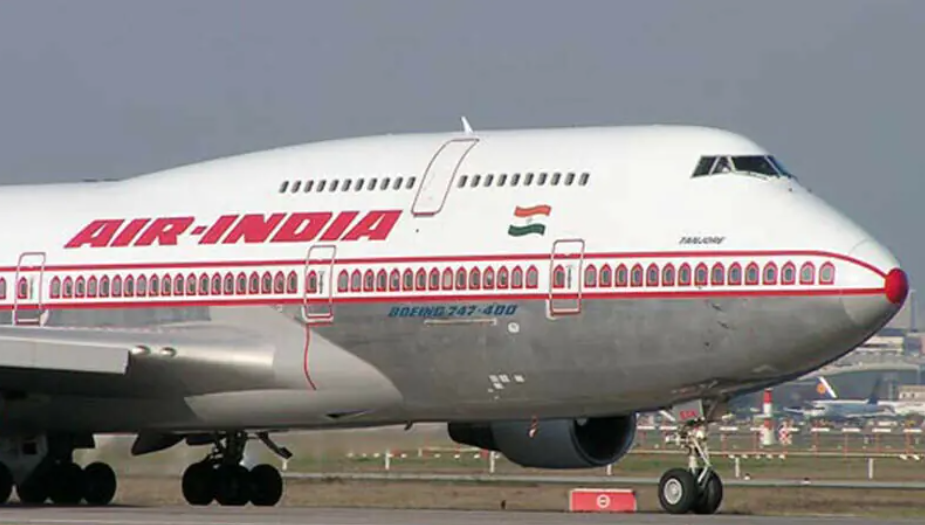
Pakistan Extends Airspace Ban for Indian Aircraft ...
Pakistan extends its airspace ban on all India-registered and operated aircraft, including...
-
Salman Akram Raja Blames Karachi Tragedy on Corrup...
PTI Secretary General Salman Akram Raja calls Karachi tragedy a result of corruption and n...
-
Senate Panel Approves Bill to Tackle Objectionable...
Senate committee approves bill to remove objectionable content from social media, citing i...