POLITICS & POLICY MAKING
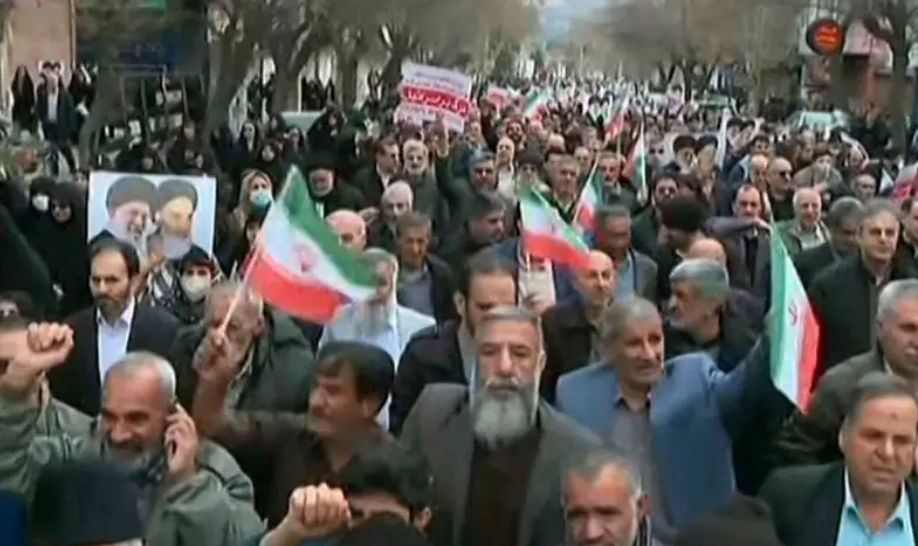
Pakistan’s Foreign Office (FO) on Saturday issued a travel advisory urging Pakistani nationals to avoid unnecessary travel to Iran due to the deteriorating security situation amid widespread protests across the country.
In a statement, the FO said, “For their safety and security, Pakistani nationals are advised to avoid all unnecessary travel to the Islamic Republic of Iran until conditions improve.”
The advisory also urged Pakistanis currently residing in Iran to exercise extreme caution, remain vigilant, minimise non-essential movement, and maintain regular contact with Pakistani diplomatic missions in Tehran, Zahidan, and Mashhad.
To facilitate assistance, the Foreign Office shared emergency contact numbers of Pakistan’s embassies and consulates in Iran. The Pakistan Embassy in Tehran can be contacted at +98-21-66-9413-88/89/90/91, +98-21-66-9448-88/90, and +98-910-764-8298. In Zahidan, the numbers are +98-54-33-22-3389 and +98-904-614-5412, while in Mashhad contacts include +98-910-762-5302 and +98-937-180-7175.
Iran has been gripped by nationwide protests for nearly two weeks, triggered by rising living costs and economic hardship. Authorities have responded by imposing internet restrictions, while clashes between protesters and security forces have intensified.
Iranian human rights group HRANA reported that at least 62 people have been killed since demonstrations began on December 28, including 48 protesters and 14 security personnel.
The unrest has also drawn international attention. Earlier this month, US President Donald Trump warned that Washington was “locked and loaded” to respond if Iranian security forces killed protesters. In response, Iran’s Supreme Leader Ayatollah Ali Khamenei condemned the demonstrators as “vandals” and “saboteurs” in his first public comments on the protests.
In a televised address, Khamenei accused Trump of having hands “stained with the blood of more than a thousand Iranians” and predicted that the US leader would face the same fate as Iran’s pre-1979 imperial rulers. Trump, meanwhile, issued a fresh warning, stating, “You better not start shooting because we’ll start shooting too,” while expressing concern for the safety of Iranian protesters.
Earlier this week, Pakistan’s Foreign Office spokesperson reiterated Islamabad’s principled stance of non-interference, stating that Pakistan considers the situation in Iran an internal matter and firmly opposes any foreign intervention or aggression. The spokesperson emphasized that Pakistan would not comment on Iran’s domestic developments.
-
Democrats Panel Wins Key Posts in National Press C...
Democrats panel claims President and Secretary posts at National Press Club elections, whi...
-
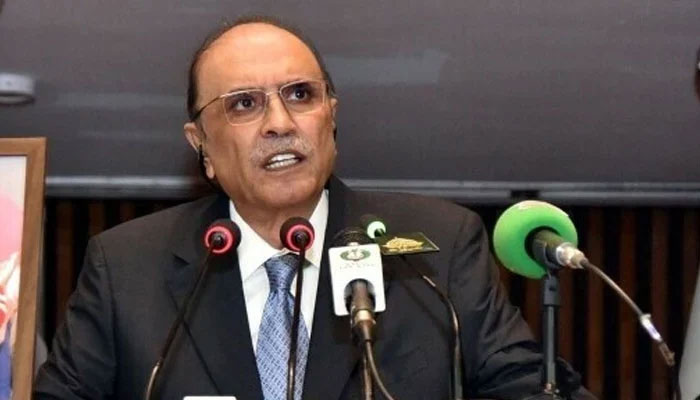
President Zardari Condemns Afghan Taliban Drone At...
President Asif Ali Zardari condemns Afghan Taliban drone attacks targeting civilian areas ...
-
Government Announces 5–30% Salary Cuts for SOE E...
Pakistan govt announces 5–30% salary cuts for employees of state-owned enterprises and a...
-
China Urges Pakistan and Afghanistan to Resolve Te...
China has called on Pakistan and Afghanistan to resolve their disputes through dialogue an...
-
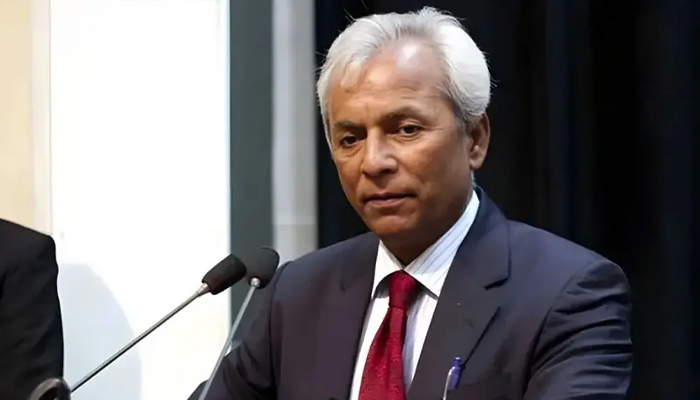
Nehal Hashmi Appointed Governor of Sindh, Approved...
President Zardari approves Nehal Hashmi as Sindh Governor on PM’s advice. Hashmi returns...