TRADE & ECONOMY
The State Bank of Pakistan (SBP) announced on Thursday that it has received $1.2 billion from the International Monetary Fund (IMF), following the global lender’s approval of Pakistan’s progress under its dual financing programmes. The funds were disbursed after the IMF Executive Board completed the second review of the Extended Fund Facility (EFF) and the first review of the climate-focused Resilience and Sustainability Facility (RSF).
In an official statement posted on X, the central bank confirmed that Pakistan received SDR 914 million — equivalent to around $1.2bn — on December 10, 2025. The amount will be reflected in the SBP’s foreign exchange reserves for the week ending December 12.
Earlier this week, the IMF approved the fresh disbursement under its 37-month EFF and the RSF, raising Pakistan’s total inflows under the twin programmes to approximately $3.3bn. The assistance supports both short-term macroeconomic stabilisation and long-term structural reforms aimed at improving climate resilience.
IMF Praises Pakistan’s Programme Implementation
In its statement following the Executive Board meeting in Washington, the IMF commended Pakistan’s strong implementation of economic reforms despite the challenges posed by devastating floods in recent years.
The Board noted that Pakistan had successfully achieved a primary fiscal surplus of 1.3% of GDP in FY25, meeting programme targets. Gross foreign exchange reserves reached $14.5bn by the end of FY25, up significantly from $9.4bn the previous year. Reserves are projected to continue strengthening through FY26 and beyond.
Although inflation has risen due to flood-related disruptions in food supply, the IMF expects the spike to be temporary.
Reform Agenda: Fiscal Discipline, Energy Sector Fixes, and Climate Resilience
IMF Deputy Managing Director and Acting Chair Nigel Clarke emphasised maintaining prudent economic policies amid global uncertainty. He stressed the urgency of advancing reforms to boost tax revenues through simplification and broadening the tax base, which he described as essential for fiscal sustainability and expanding investment in climate resilience, social protection, human capital and public services.
Clarke also underscored the critical need for reforms in the energy sector — widely seen as one of Pakistan’s most persistent economic challenges. While recent tariff adjustments have helped contain circular debt, the IMF urged Pakistan to focus on reducing production and distribution costs, addressing inefficiencies in both power and gas systems, and improving sector sustainability.
Economy Stabilised but Challenges Persist
The IMF’s latest assessment suggests that Pakistan has averted the immediate risk of economic collapse and regained short-term stability. However, the country remains on a narrow stabilisation path characterised by low growth, heavy debt obligations, high inflation, and limited relief for households.
Economists caution that while IMF financing offers essential support, the long-term path to sustainable growth requires structural reforms, improved business competitiveness, and a more robust private-sector-led economic model.
With the latest inflow, Pakistan’s foreign exchange reserves are expected to strengthen further, offering some breathing space to the economy — although significant reforms still lie ahead.
-
Electricity Rates Hiked Nationwide by Rs 1.63 per ...
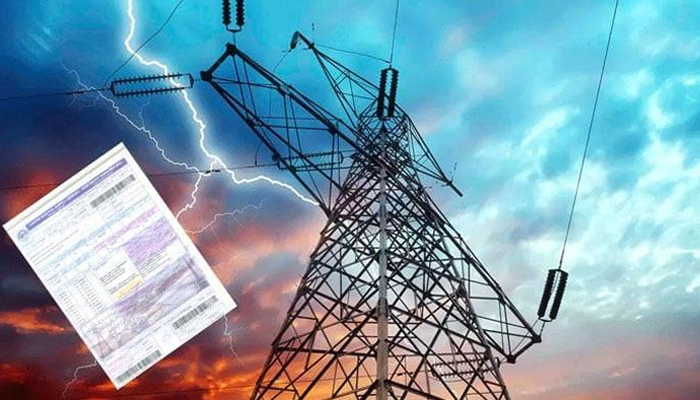
NEPRA raises electricity prices by Rs 1.63/unit under January fuel price adjustment. Lifel...
-
UAE Rolls Over $2B Loan to Pakistan, SBP Governor ...
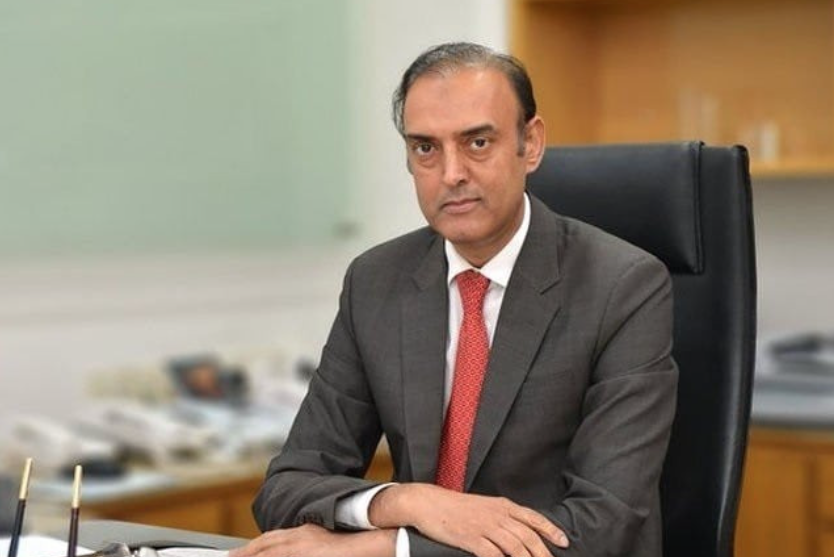
SBP Governor Jameel Ahmad says UAE loan of $2B to Pakistan now on monthly rollover, not re...
-
Finance Minister Warns on Fuel Stocks as Iran War ...
Finance Minister Muhammad Aurangzeb says no fuel shortage in Pakistan but urges conservati...
-
Pakistan Seeks Saudi Oil Route via Yanbu After Str...
Pakistan has formally asked Saudi Arabia to route oil supplies through Yanbu after the Str...
-
Flour Prices Rise Again in Peshawar Ahead of Ramad...
Flour prices in Peshawar have increased: 20kg mixed flour is now Rs 2,500 and fine flour R...