POLITICS & POLICY MAKING
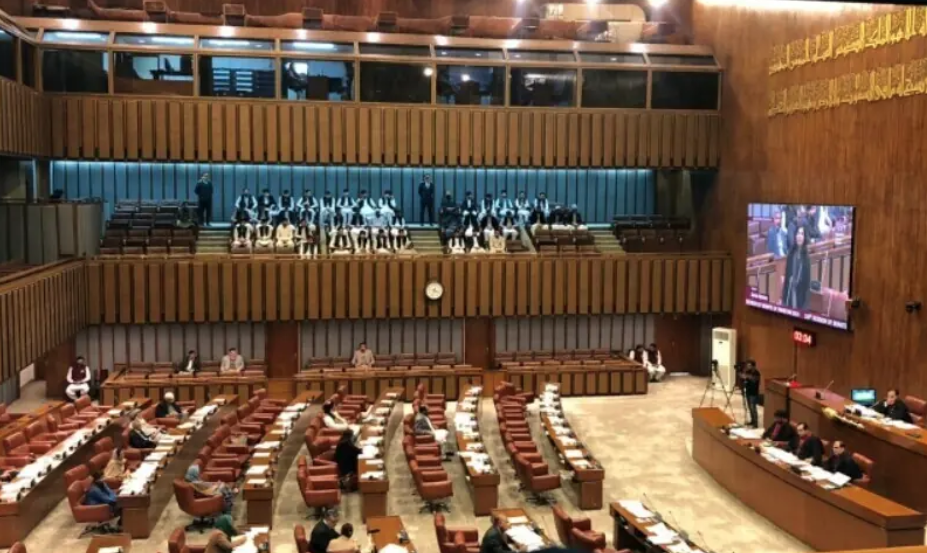
The Senate witnessed heated debate on Tuesday after the National Electric Power Regulatory Authority (Nepra) announced major changes to solar power regulations, replacing the existing net-metering regime with net-billing for all future consumers.
The move, aimed at limiting rising solar energy penetration and protecting Pakistan’s costly state-owned power network, sparked fierce criticism from opposition senators, who accused the government of breaking promises made to citizens who invested in solar energy.
PTI Senator Syed Ali Zafar described the policy shift as a “grave breach of trust” and “cruel” for ordinary Pakistanis. He stressed that families had invested life savings, taken loans, and installed solar systems in reliance on government assurances of net-metering benefits. “Retrospective withdrawal and retrospective imposition is a grave injustice,” he said, invoking the legal principle of promissory estoppel to underline the state’s obligation to honor commitments.
PPP Senator Sherry Rehman also condemned the decision, questioning the logic behind promoting solar power incentives only to later alter the tariffs. She criticized rising electricity costs, arguing that it discourages both domestic consumers and industrial investment. “Manufacturing companies and domestic consumers should be provided with cheap electricity,” she said, adding that high taxes and energy costs are pushing industries out of Pakistan.
Jamiat Ulema-i-Islam-Fazl Senator Kamran Murtaza and PTI Senator Zeeshan Khanzada echoed similar concerns, warning that the policy undermines public trust and damages the investment climate.
Defending the changes, Power Minister Awais Leghari argued that Nepra acted within its legal remit and that the revisions are meant to protect the broader population of over 30 million electricity consumers. Leghari emphasized that existing contracts for roughly 466,506 net-metering consumers remain unaffected, representing 7,000 megawatts of solar electricity generation.
He explained that without such regulatory changes, the financial burden of net-metering consumers would fall on the majority of electricity users, increasing costs by billions of rupees. Leghari stressed that the changes apply only to future consumers and are designed to ensure fairness and financial sustainability.
Leghari also noted that the Solar Association of Pakistan had been consulted, warning that delaying adjustments could lead to even greater harm to the public. He concluded that the changes reflect evolving regulations and innovative policy thinking to balance energy sustainability with consumer protection.
The debate in the Senate highlights the growing tensions between promoting renewable energy adoption and maintaining an affordable and efficient power supply for Pakistan’s citizens.
-
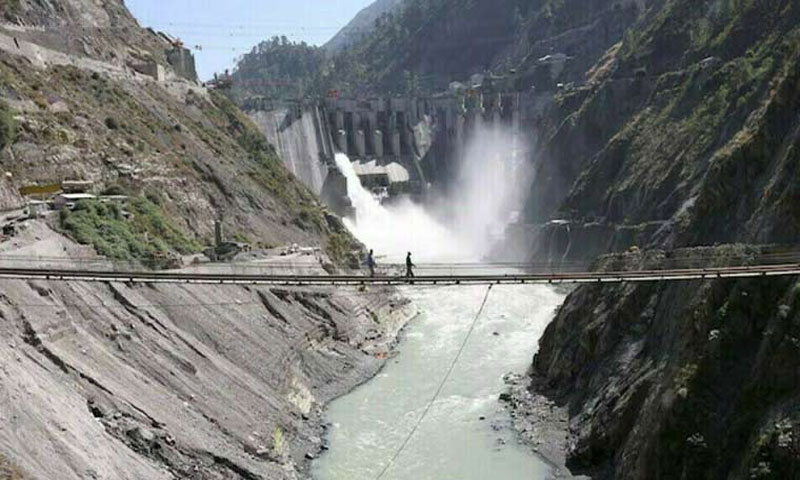
India Starts Construction of Sawalkot Dam in Occup...
India begins work on the Sawalkot mega dam on the Chenab River, raising concerns in Pakist...
-
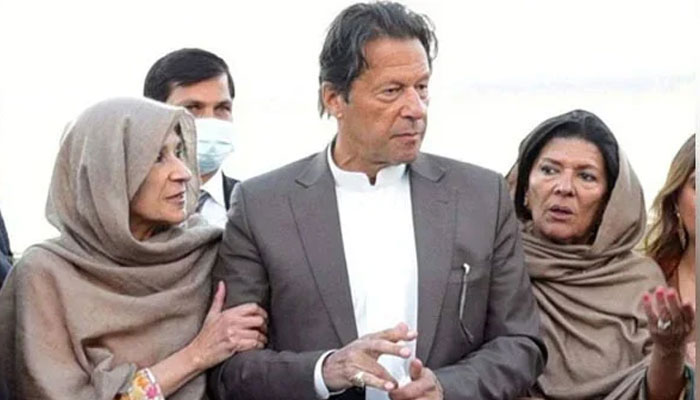
Aleema Khan Says Imran Khan’s Eye Health Needs E...
Aleema Khan urges that PTI founder Imran Khan receive treatment from specialist doctors fo...
-
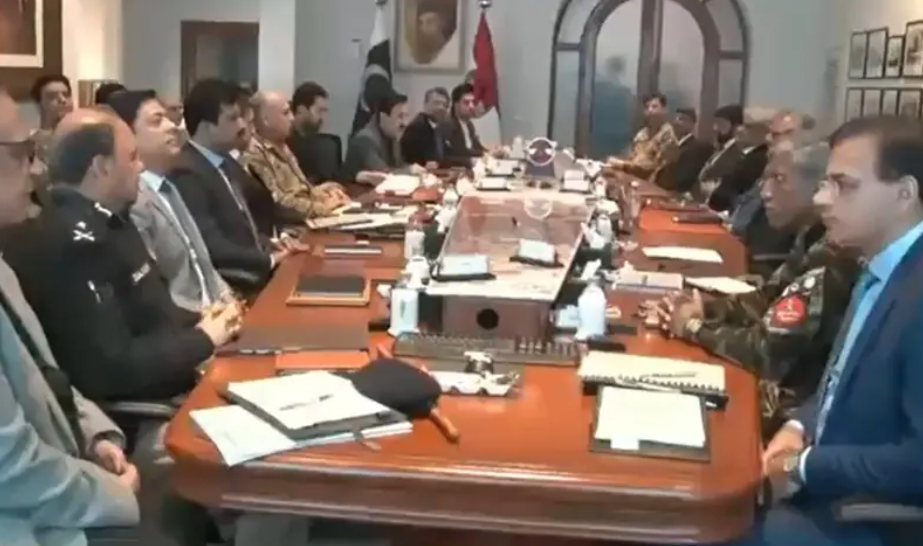
KP Government Forms Special Sub-Committee to Monit...
KP govt establishes a special sub-committee under CM Afridi to oversee development project...
-
PTI KP President Junaid Akbar Announces Exit from ...
PTI Khyber Pakhtunkhwa President Junaid Akbar says he is stepping back from parliamentary ...
-
Faisal Vawda’s Remarks Spark Controversy After V...
Senator Faisal Vawda triggered controversy after making an inflammatory remark about polit...