WORLD NEWS
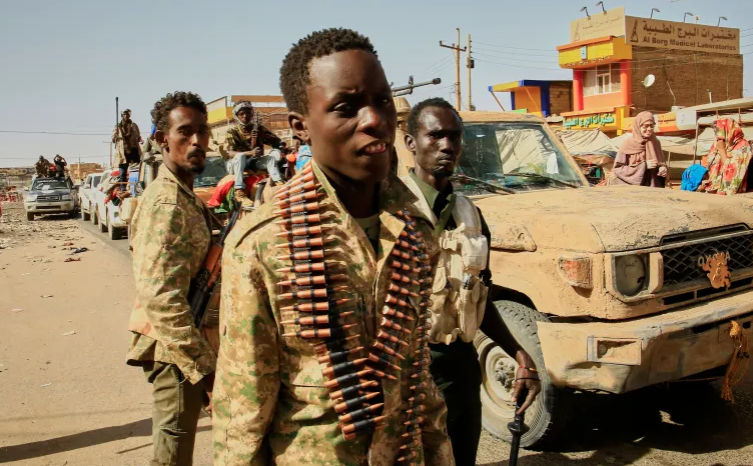
Fighting in Sudan’s West Kordofan region has escalated as the Rapid Support Forces (RSF) claimed control of Babnusa, a strategic gateway to Darfur, while the Sudanese Armed Forces (SAF) insist they are still battling in the city.
Videos released by the RSF on Monday showed fighters taking an army base in Babnusa after a weeks-long siege. However, SAF officials rejected the claims, saying their forces repelled the attack and continue to hold positions within the city. “The RSF launched a new attack on the city, which our forces decisively repelled,” said an SAF spokesperson.
Babnusa is critical for controlling access to western Sudan, including Darfur, where the RSF has already solidified dominance after capturing el-Fasher last month. Analysts warn that if Babnusa falls, the RSF could push towards North Kordofan’s regional capital el-Obeid, bringing them closer to Khartoum.
The latest clashes also appear to break the unilateral ceasefire previously announced by the RSF after mediation efforts by Egypt, Saudi Arabia, the UAE, and the United States. SAF has rejected the ceasefire as favoring the RSF, accusing the paramilitary group of continuing attacks despite declaring a truce.
Human rights groups have documented widespread atrocities committed by the RSF in recent months, including killings, abductions, and sexual violence, raising international concern about the escalating conflict.
Analysts say the RSF’s momentum and territorial gains, combined with alliances such as the SPLM-N in the Nuba Mountains, could significantly shift the balance of power in Sudan’s ongoing war, reversing the SAF’s previous gains.
The outcome in Babnusa will likely have far-reaching political, economic, and military implications for Sudan and the broader region, potentially altering the trajectory of the country’s more-than-two-year conflict.
-
Starmer Confirms UK Will Not Join Iran War, Emphas...
UK PM Keir Starmer vows Britain will stay out of the Iran war, focusing on diplomacy & Eur...

-
North Korean Hackers Breach Popular Software to St...
North Korean-linked hackers compromised the open-source software Axios, aiming to steal lo...

-
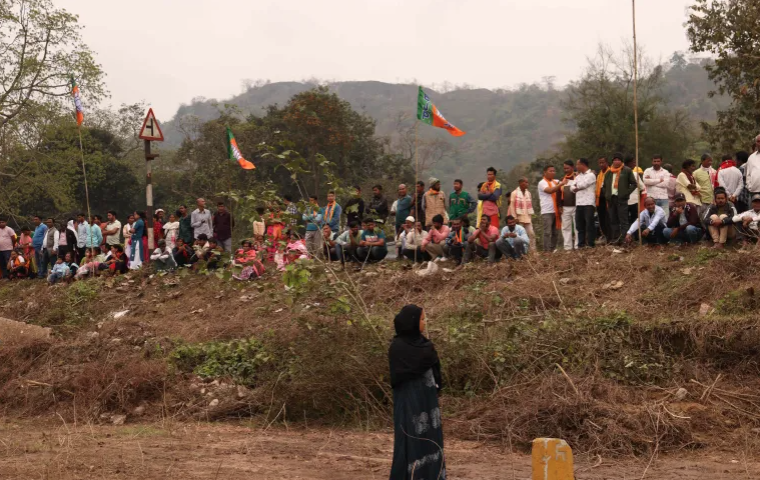
Assam Delimitation Redraws Muslim-Majority Seats, ...
Assam’s 2023 delimitation reshapes electoral boundaries, reducing Muslim-majority seats ...
-
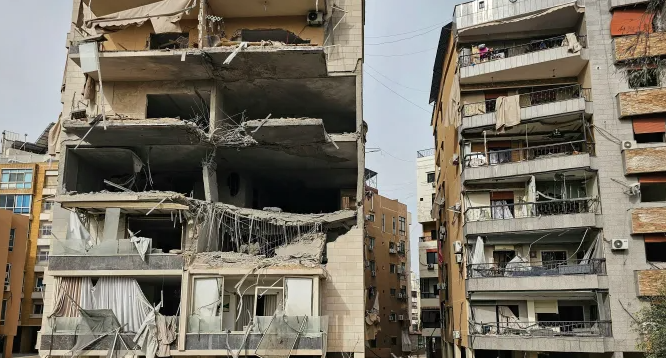
Israeli Airstrikes Kill Multiple in Southern Beiru...
At least 7 killed in Israeli attacks on Beirut’s southern suburbs and nearby towns as He...
-
Qatar Warns Iran Has Crossed “Red Lines,” Call...
Qatar says Iran’s attacks on regional neighbors risk catastrophic fallout; calls for res...