WORLD NEWS
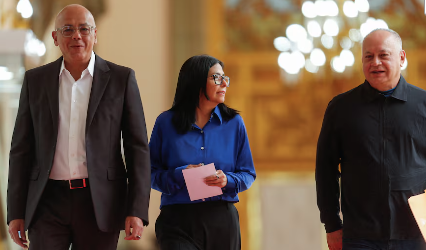
Senior officials in the Trump administration held discussions with Venezuela’s hardline Interior Minister Diosdado Cabello months before the US operation that led to the removal of President Nicolas Maduro, and have remained in contact with him since then, according to multiple sources familiar with the matter.
The officials warned Cabello, 62, against using the powerful security apparatus under his control — including intelligence agencies, police, armed forces and pro-government militias — to target Venezuela’s opposition. Four sources said the US viewed such actions as a potential trigger for chaos that could destabilise the country following Maduro’s ouster on January 3.
Cabello, a long-time Maduro loyalist, was named in the same US drug-trafficking indictment used to justify Maduro’s arrest but was not seized during the operation. Sources said communications with Cabello began in the early days of Trump’s current term and continued in the weeks leading up to, and after, Maduro’s removal.
The discussions reportedly included US sanctions imposed on Cabello and the criminal indictment he faces. Officials believe maintaining communication with him is crucial to preventing unrest, given his influence over Venezuela’s security forces and militant ruling-party supporters.
According to a source briefed on US concerns, if Cabello were to unleash the forces under his control, it could threaten interim President Delcy Rodriguez’s hold on power — a key pillar of President Donald Trump’s post-Maduro strategy for Venezuela.
It remains unclear whether the talks extended to discussions on Venezuela’s future governance, or whether Cabello has complied with US warnings. Publicly, Cabello has pledged unity with Rodriguez, whom Trump has repeatedly praised.
Cabello has been in contact with the Trump administration both directly and through intermediaries, according to one source. All sources spoke on condition of anonymity due to the sensitivity of the communications. The White House and the Venezuelan government did not respond to requests for comment.
Cabello has long been regarded as Venezuela’s second most powerful figure. A close associate of the late President Hugo Chavez, he later became one of Maduro’s most feared enforcers, overseeing widespread repression. Though both Cabello and Rodriguez have occupied senior roles across the government, legislature and ruling party, they have historically been rivals rather than allies.
A former military officer, Cabello wields significant influence over military and civilian counterintelligence agencies and has been closely linked to pro-government militias known as colectivos, which have been accused of violently attacking protesters.
Washington sees Cabello as both a stabilising force and a potential spoiler. While the US has relied on certain Maduro-era figures to maintain order and secure access to Venezuela’s oil resources during a transition period, officials fear Cabello’s record of repression and rivalry with Rodriguez could derail the process.
Rodriguez, meanwhile, has been working to consolidate power by installing loyalists in key positions while complying with US demands to increase oil production, according to sources in Venezuela.
Elliott Abrams, Trump’s former special representative on Venezuela, said many Venezuelans would see Cabello’s eventual removal as a turning point. “If and when he goes, Venezuelans will know that the regime has really begun to change,” Abrams said.
Cabello has been under US sanctions for years over alleged drug trafficking. In 2020, Washington indicted him as a key figure in the so-called “Cartel de los Soles” and placed a $10 million bounty on him, later raised to $25 million. Cabello has consistently denied the allegations.
Following Maduro’s ouster, US lawmakers questioned why Cabello was not also arrested. Republican Representative Maria Elvira Salazar said Cabello was “probably worse than Maduro.”
In the days after the operation, Cabello condemned US intervention, declaring that “Venezuela will not surrender.” However, reports of widespread security crackdowns have decreased, and both Washington and Caracas have said political detainees will be released.
The Venezuelan government says Cabello is overseeing the release process, though rights groups argue progress has been slow and hundreds of political prisoners remain behind bars.
-
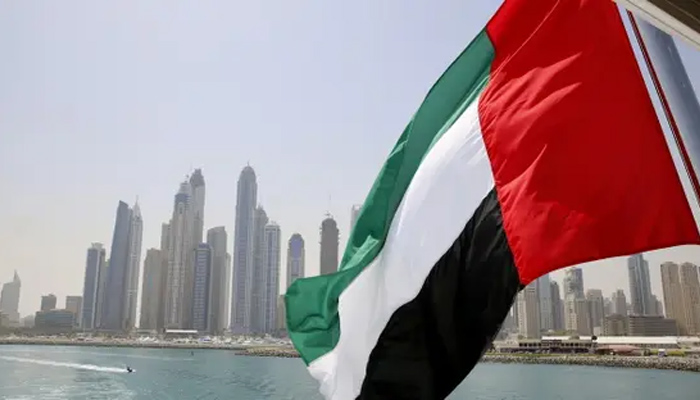
UAE Denies Use of Airspace for Attacks on Iran, De...
UAE will not allow its airspace to be used against Iran, says Minister Reem Al-Hashemi. Mi...
-
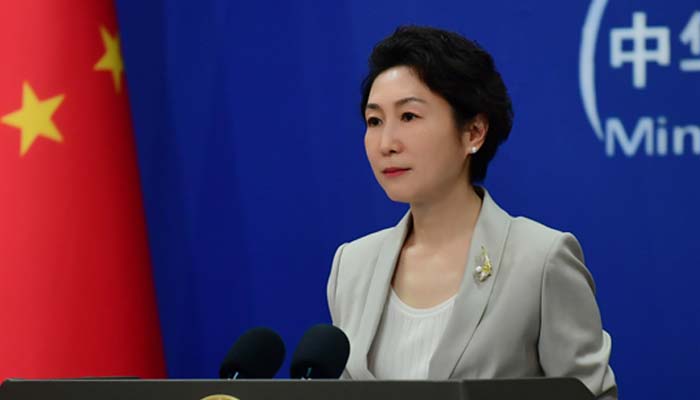
China Calls for Immediate Halt to Military Operati...
China urges an immediate stop to military action in Iran, stressing the need for peace, ju...
-
EU Governments Push Back on Ukraine’s Fast-Track...
Ukraine seeks 2027 EU membership as part of a peace deal with Russia, but EU countries inc...
-
India Cuts LNG Supplies as Qatar Halts Production ...
Indian companies reduce natural gas supplies by 10–30% after QatarEnergy suspends LNG pr...
-
Trump Administration Faces Scrutiny Over Justifica...
US strikes on Iran have drawn criticism as evidence for an “imminent threat” remains u...