WORLD NEWS
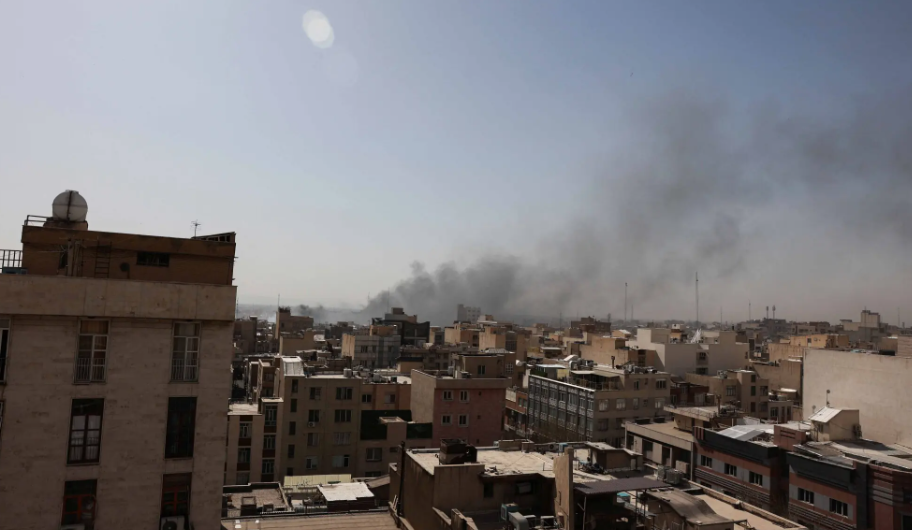
A major escalation unfolded in the Middle East on Saturday as the United States and Israel launched a wave of strikes against targets in Iran, causing explosions in Tehran and sharply intensifying regional tensions.
US President Donald Trump, speaking from Florida in a video posted on Truth Social, vowed to dismantle Iran’s missile and naval capabilities, stating that Washington would “destroy their missiles” and “annihilate their navy.”
Israeli Prime Minister Benjamin Netanyahu said the operation aimed to eliminate what he described as an “existential threat” posed by Iran’s leadership and called on Iranians to rise against the Islamic Republic’s clerical establishment.
Iran Retaliates
In response, Iran’s Islamic Revolutionary Guard Corps confirmed launching the “first wave” of missile and drone attacks targeting Israel, describing the action as retaliation for strikes on its territory.
The rapid exchange has heightened fears of a broader regional conflict, with analysts warning that further escalation could engulf multiple countries.
Pakistani Leaders Condemn Strikes
Political leaders and analysts in Pakistan reacted strongly, condemning the US-Israel offensive and warning of its implications for regional stability.
The Pakistan Peoples Party (PPP), in a statement issued by its media cell, said party chairman Bilawal Bhutto Zardari termed the Israeli strike a matter of “serious concern” for regional peace. He accused Israel of attempting to divert attention from Gaza and urged the United Nations and the Organisation of Islamic Cooperation to intervene.
Author and journalist Zahid Hussain warned that the escalation would have serious consequences for Pakistan and the wider region, while former ambassador Maleeha Lodhi called on Islamabad to condemn the aggression “without delay.”
Former senator Mushahid Hussain Sayed cautioned that the conflict could create a “nutcracker situation” for Pakistan if Iran were weakened, warning of pressure along Pakistan’s western border and implications for national security.
Human rights lawyer Reema Omer argued that so-called “preemptive” attacks lack basis in international law, describing them as acts of aggression. Similarly, Siraj ul Haq of Jamaat-e-Islami termed the strikes “state terrorism” and urged Muslim countries to unite.
Former minister Shireen Mazari questioned the timing of the attack, while journalist Iftikhar Firdous highlighted the vulnerability of Pakistan’s western border amid simultaneous regional tensions.
Raja Nasir Abbas of Majlis Wahdat-e-Muslimeen described the operation as a violation of international law and warned of catastrophic consequences for the Persian Gulf.
Author and activist Fatima Bhutto expressed concern about broader regional fallout, while former federal ministers Khawaja Saad Rafique and Miftah Ismail also condemned the strikes, calling for an immediate halt to hostilities and a return to diplomacy.
Regional and Global Implications
The developments come amid already heightened tensions across the Middle East and South Asia. Observers warn that continued escalation could disrupt the Persian Gulf, destabilize neighboring states, and reshape geopolitical alignments for years to come.
With diplomatic efforts reportedly underway prior to the strikes, including mediation attempts in the region, calls are growing for restraint and renewed negotiations to prevent a wider conflict.
-
Iran Claims Strikes on US Bases Amid ‘Operation ...
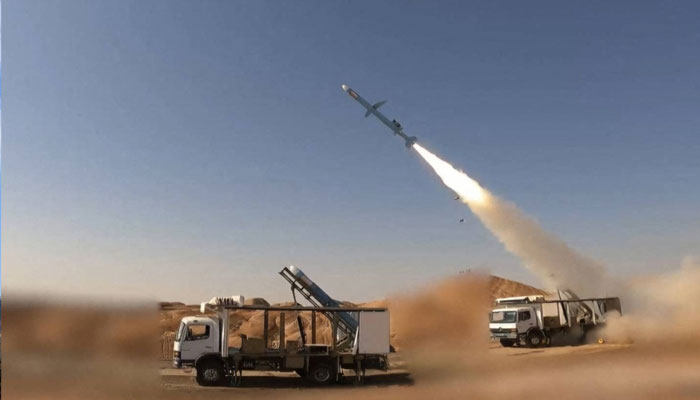
Iran’s Revolutionary Guards claim targeting 14 US bases, naming the campaign ‘Operatio...
-
Iran Denounces US and Israeli Attacks, Warns of Re...
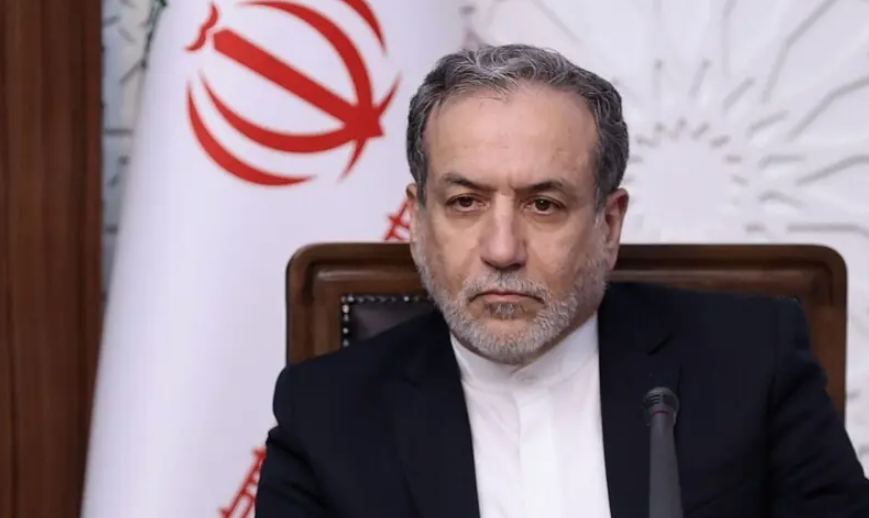
Iran calls US and Israeli strikes “illegal and unjustified,” with Foreign Minister Abb...
-
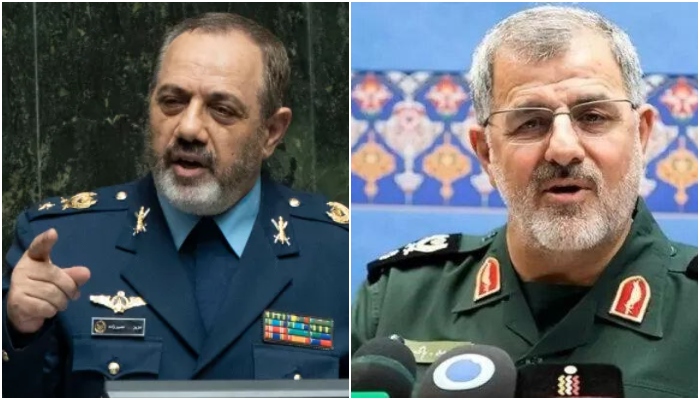
Iran Defence Minister and IRGC Commander Reportedl...
Sources say Iran’s Defence Minister Amir Nasirzadeh and IRGC commander Mohammad Pakp...
-
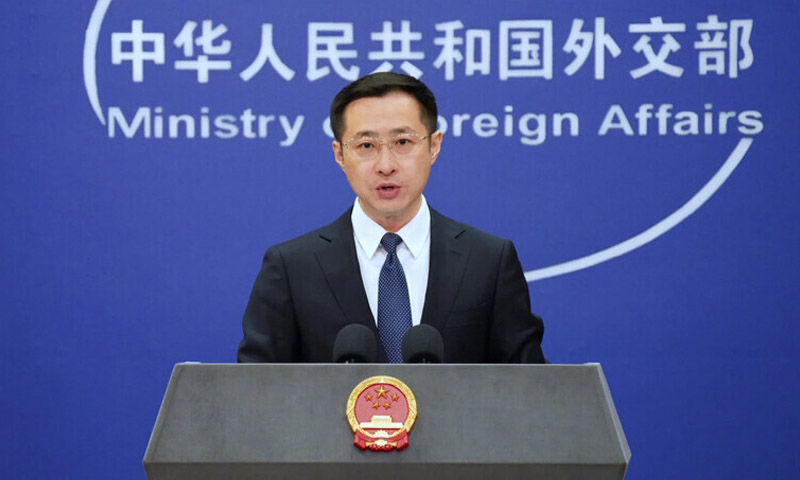
China Urges Ceasefire and Dialogue Amid Escalating...
China urges Iran, the US, and Israel to stop hostilities, respect sovereignty, and resolve...
-
Man Charged for Vandalising Winston Churchill Stat...
A 38-year-old man has been charged after spray-painting “free Palestine” and “Zionis...