WORLD NEWS
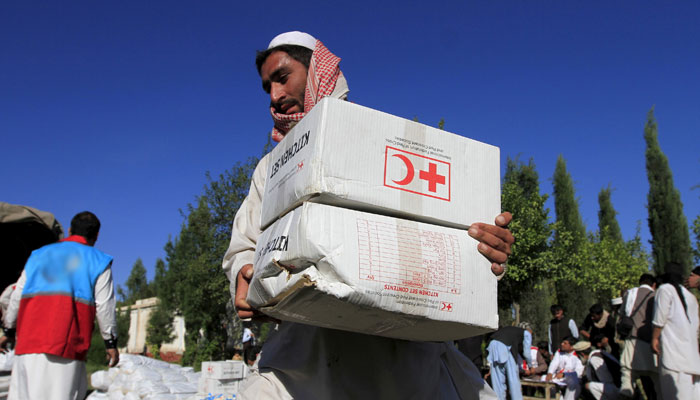
Afghanistan’s healthcare system has been pushed to the brink of collapse due to the Taliban’s extremist policies and governance failures, the World Health Organization (WHO) has warned. Millions of Afghan citizens are now deprived of basic medical services, raising alarm among international health agencies.
The WHO report highlights that during the Taliban era, approximately 14.4 million Afghans were unable to access essential healthcare. In 2025 alone, more than 422 hospitals and clinics across the country were forced to close, leaving an estimated 3 million people without treatment. The situation has worsened for women, as restrictions on medical education and professional training have made it nearly impossible for Afghan women to receive healthcare services.
Experts warn that the mismanagement has made Afghanistan a global epicenter for polio, with 9 confirmed cases reported as of October 2025. At the same time, 17.4 million people are facing severe malnutrition, threatening the lives of vulnerable populations, particularly children.
The collapse of Afghanistan’s health sector is compounded by the withdrawal of international organizations and NGOs. Experts attribute this exodus to Taliban extremism, corruption, sponsorship of terrorist groups, and misallocation of resources, leaving ordinary Afghans without crucial humanitarian support.
“The Afghan people are paying the highest price for the Taliban’s incompetence and extremist policies,” said a WHO spokesperson. “Immediate international engagement and humanitarian intervention are critical to prevent further loss of life.”
The report calls on the global community to urgently support healthcare initiatives in Afghanistan and to address the systemic issues that have allowed this crisis to unfold, particularly the restrictions on women’s healthcare access and education.
Without swift intervention, experts warn that Afghanistan’s healthcare system could collapse entirely, resulting in widespread disease outbreaks, malnutrition, and long-term societal damage.
-
Iran, China, and Russia to Conduct Joint Naval Exe...
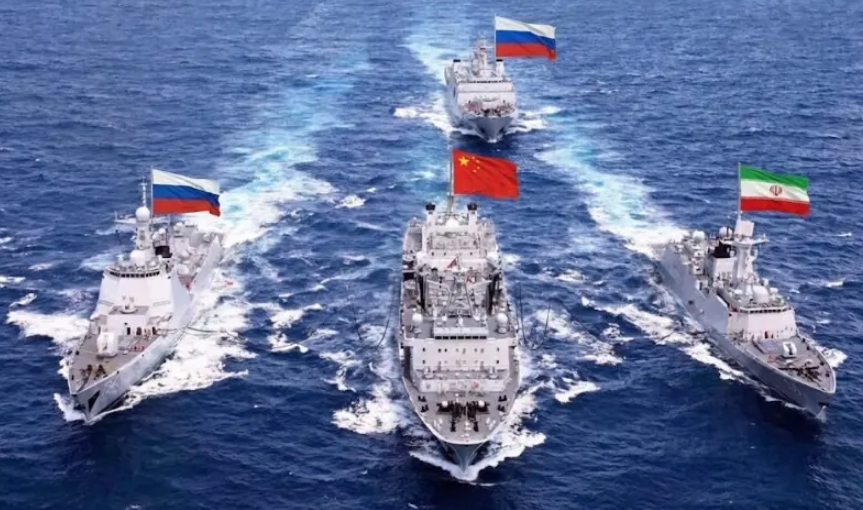
Iran, China & Russia launch ‘Maritime Security Belt’ naval exercises in the northern I...
-
Trump Sets Secret Deadline for Iran; US Military M...
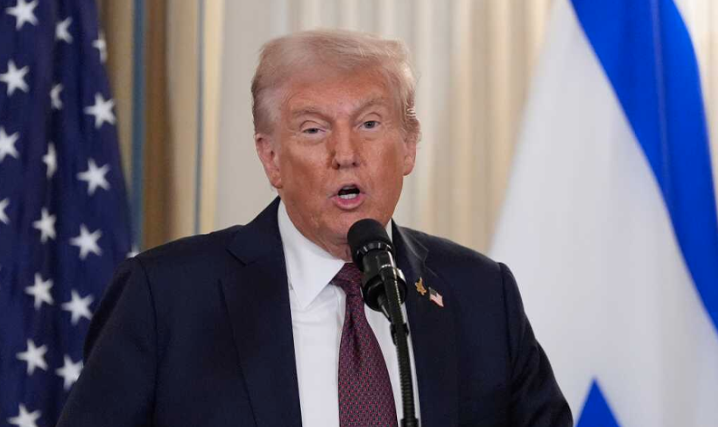
President Trump claims a secret deadline for Iran on nuclear deal, warns of possible milit...
-
Venezuela’s Acting President Proposes Amnesty Bi...
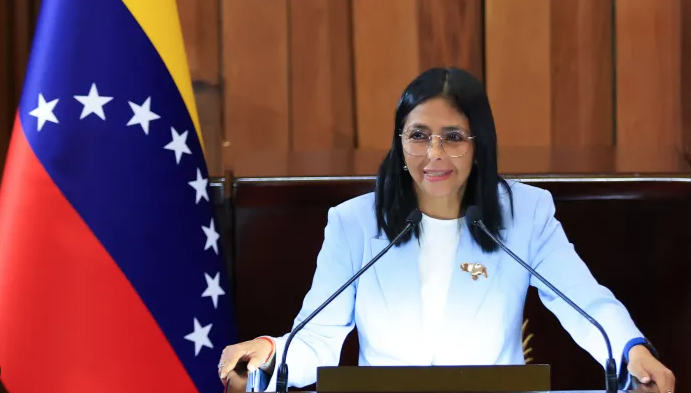
Venezuela’s interim leader Delcy Rodríguez has announced a sweeping amnesty bill coveri...
-
US Approves $6.67bn Arms Sales to Israel Amid Frag...
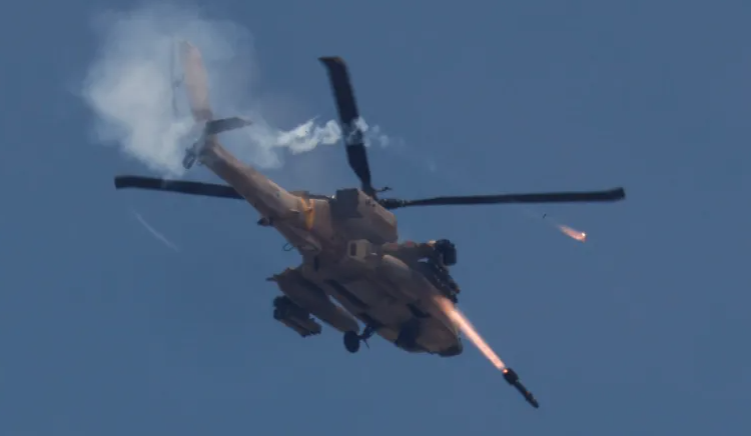
The US has approved $6.67bn in arms sales to Israel, including Apache helicopters, amid a ...
-
US Enters Partial Government Shutdown After Budget...
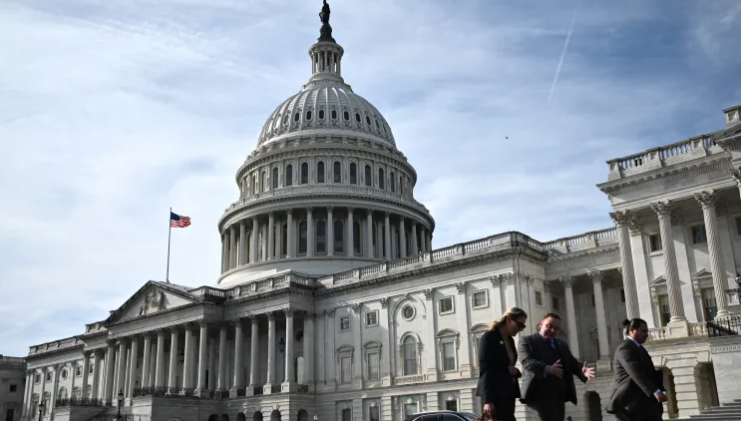
The US government entered a partial shutdown after Congress failed to pass a 2026 budget b...