WORLD NEWS
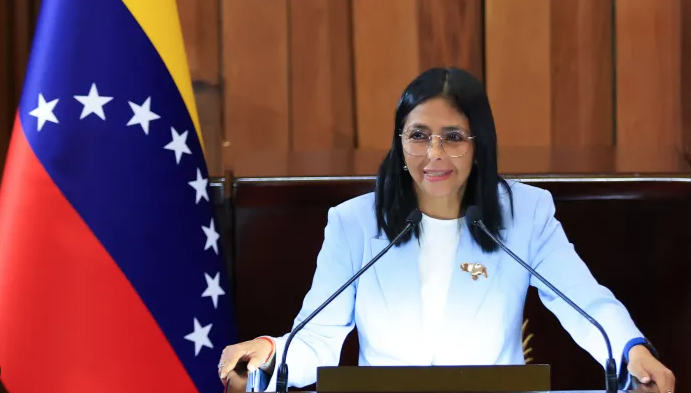
Venezuela’s interim President Delcy Rodríguez has unveiled a major amnesty bill that could lead to the release of hundreds of prisoners, including political detainees, in one of her most significant reforms since assuming power earlier this month.
In a prerecorded address on Friday, Rodríguez — who took leadership after the reported US military removal of President Nicolás Maduro and his wife — said the proposed “general amnesty law” will cover the entire period of political violence in Venezuela from 1999 to the present. The measure is expected to be taken up urgently by the ruling party-controlled National Assembly.
“May this law serve to heal the wounds left by the political confrontation fuelled by violence and extremism,” Rodríguez said, adding that it aims to redirect justice and foster coexistence among Venezuelans.
Alongside the amnesty bill, the acting president announced the closure of El Helicoide, the notorious Caracas detention centre long criticised by rights groups for documented torture and other abuses. The facility is slated to be transformed into a sports, social and cultural centre for the community.
Human rights organisations have cautiously welcomed the move. Venezuela-based group Foro Penal estimates that 711 people remain detained over their political activities, though only a portion have been sentenced. Its president, Alfredo Romero, said amnesty would be positive if applied without discrimination and contributes to dismantling political repression.
Since early January, Rodríguez’s government has already released a number of prisoners as a goodwill gesture. Foro Penal has counted approximately 302 releases, though official figures claim a higher total without clear breakdowns.
The amnesty excludes individuals convicted of serious crimes such as murder, drug trafficking, corruption, and human rights violations. The government has not yet published the full text of the bill, leaving eligibility criteria somewhat unclear.
The announcement comes amid continued uncertainty in Venezuela’s political landscape following the removal of Maduro, and international calls for transparency and broader reforms. While the amnesty initiative signals a possible shift toward reconciliation, critics warn that substantial changes will be needed to ensure genuine justice and political freedoms for all Venezuelans.
-
Iran, China, and Russia to Conduct Joint Naval Exe...
Iran, China & Russia launch ‘Maritime Security Belt’ naval exercises in the northern I...

-
Trump Sets Secret Deadline for Iran; US Military M...
President Trump claims a secret deadline for Iran on nuclear deal, warns of possible milit...
-
Afghanistan Faces Humanitarian Health Crisis Amid ...
Millions of Afghans are now without basic healthcare as Taliban mismanagement closes 422+ ...
-
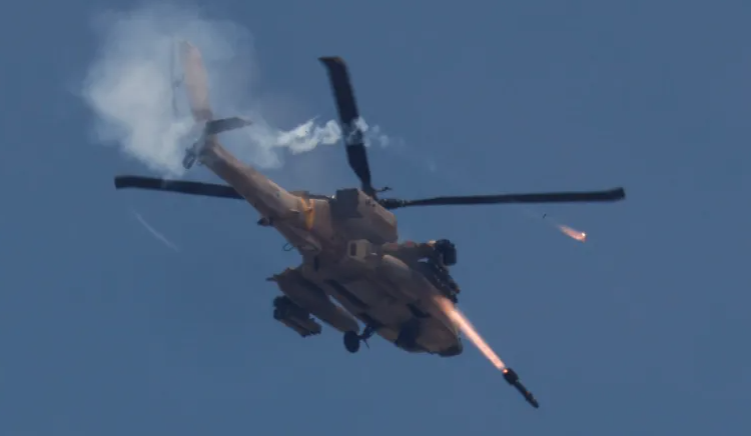
US Approves $6.67bn Arms Sales to Israel Amid Frag...
The US has approved $6.67bn in arms sales to Israel, including Apache helicopters, amid a ...
-
US Enters Partial Government Shutdown After Budget...
The US government entered a partial shutdown after Congress failed to pass a 2026 budget b...