WORLD NEWS
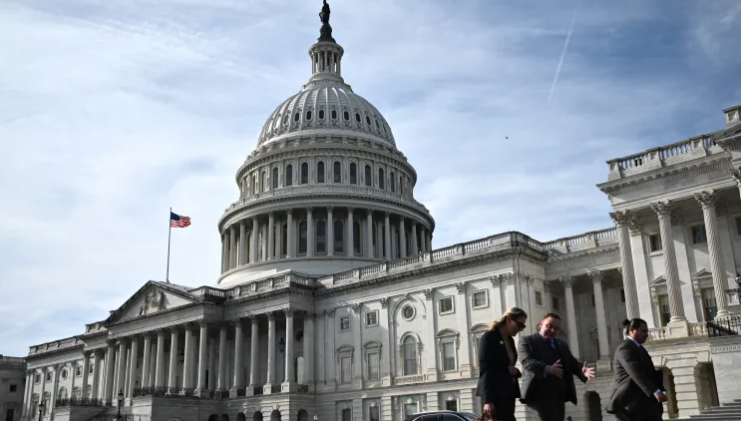
The United States government entered a partial shutdown on Saturday after Congress failed to approve a 2026 budget before a midnight funding deadline, though lawmakers signaled the disruption is likely to be short-lived.
The lapse in funding followed a breakdown in negotiations fueled by Democratic opposition to new funding for the Department of Homeland Security (DHS), after two protesters were killed by federal immigration agents in Minneapolis. The incident derailed talks and intensified political tensions over immigration enforcement.
Democratic leaders accused the Trump administration of misusing federal resources. Senate Democratic Minority Whip Dick Durbin said the administration was targeting peaceful protesters instead of focusing on serious criminal threats, arguing that its approach had made Americans less safe.
As a result of the lapse, roughly three-quarters of federal government operations are affected, potentially triggering shutdown procedures across agencies responsible for education, health, housing and defense. Federal departments began implementing shutdown plans overnight.
Despite the lapse, congressional leaders from both parties indicated that the shutdown was likely to be brief. The Senate passed a legislative package late Friday clearing five outstanding funding bills to keep most federal agencies operational through September, along with a two-week stopgap measure to fund DHS while negotiations continue.
The House of Representatives was out of session as the deadline passed and is scheduled to reconvene on Monday. If the House approves the Senate-backed deal early next week, funding could be restored within days, limiting the impact on federal workers, contractors and public services.
President Donald Trump endorsed the Senate agreement and urged the House to act swiftly, seeking to avoid a prolonged shutdown. This marks the second shutdown of Trump’s second term, following a record-length government closure last fall that lasted more than a month.
The Senate breakthrough came after Republican Senator Lindsey Graham lifted a procedural hold on the package. Graham had raised objections related to DHS funding provisions and surveillance-related language but agreed to move forward after receiving assurances that future votes would be held on legislation targeting so-called sanctuary cities.
Democrats, meanwhile, have remained united in opposing DHS funding without reforms to immigration enforcement practices. The deaths of two protesters in Minneapolis intensified calls for greater oversight, including tighter warrant requirements and stronger accountability measures for federal agents.
Republicans are divided on the issue, with some acknowledging the need for adjustments following the shootings, while others warn against weakening immigration enforcement. The upcoming DHS negotiations are expected to be contentious.
The Office of Management and Budget issued guidance to federal agencies to prepare for an “orderly shutdown,” expressing hope that the funding lapse would be resolved quickly.
-
Iran, China, and Russia to Conduct Joint Naval Exe...
Iran, China & Russia launch ‘Maritime Security Belt’ naval exercises in the northern I...

-
Trump Sets Secret Deadline for Iran; US Military M...
President Trump claims a secret deadline for Iran on nuclear deal, warns of possible milit...
-
Afghanistan Faces Humanitarian Health Crisis Amid ...
Millions of Afghans are now without basic healthcare as Taliban mismanagement closes 422+ ...

-
Venezuela’s Acting President Proposes Amnesty Bi...
Venezuela’s interim leader Delcy Rodríguez has announced a sweeping amnesty bill coveri...

-
US Approves $6.67bn Arms Sales to Israel Amid Frag...
The US has approved $6.67bn in arms sales to Israel, including Apache helicopters, amid a ...