WORLD NEWS
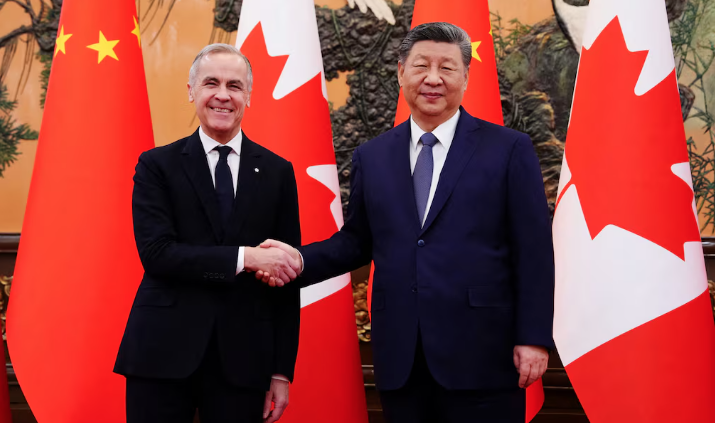
Canada and China have signed an initial trade agreement aimed at reducing tariffs on electric vehicles (EVs) and canola, in a move to restore bilateral economic ties and open new avenues for strategic cooperation. Canadian Prime Minister Mark Carney, the first Canadian leader to visit China since 2017, announced the deal on Friday after discussions with Chinese President Xi Jinping and other top officials.
Under the agreement, Canada will allow up to 49,000 Chinese EVs to enter the country at a 6.1% tariff on most-favoured nation terms. This is a sharp reduction from the 100% tariff imposed in 2024 by former Prime Minister Justin Trudeau, following similar U.S. measures. In 2023, China exported 41,678 EVs to Canada. Carney emphasized that the deal not only restores pre-tariff levels but also paves the way for long-term investments in Canada’s EV sector, creating jobs and supporting the country’s net-zero goals.
Agricultural Gains
China also agreed to lower tariffs on Canadian canola seed, canola meal, lobsters, crabs, and peas starting March 1, 2026. Canola seed tariffs will drop from a combined 84% to around 15%, unlocking nearly $3 billion in potential export orders for Canadian farmers and processors. These measures mark the easing of trade barriers imposed in retaliation for Canada’s 2024 EV tariffs, which had disrupted China’s import of Canadian agricultural products.
Strengthening Strategic Ties
In a joint statement released by China’s Xinhua news agency, both nations pledged to resume high-level economic and financial dialogue, enhance trade and investment, and deepen cooperation in agriculture, energy, and green technologies. Carney highlighted opportunities for Chinese participation in Canada’s clean energy projects, including offshore wind and LNG exports, with Canada planning to produce 50 million tonnes of LNG annually by 2030 for Asian markets.
Carney described China as a more predictable partner than the United States for economic cooperation, citing ongoing complexities in Ottawa’s trade relationship with Washington. Analysts suggest the deal could reshape Sino-U.S. competition, showing that American-led economic decoupling is not universally accepted among Washington’s closest allies. However, experts agree Canada is unlikely to pivot strategically away from the U.S., given its deep security and intelligence ties.
The agreement reflects a pragmatic approach by Canada to balance economic opportunities in China with traditional U.S. alliances, while providing tangible benefits for domestic farmers, the EV industry, and the country’s clean energy ambitions.
-
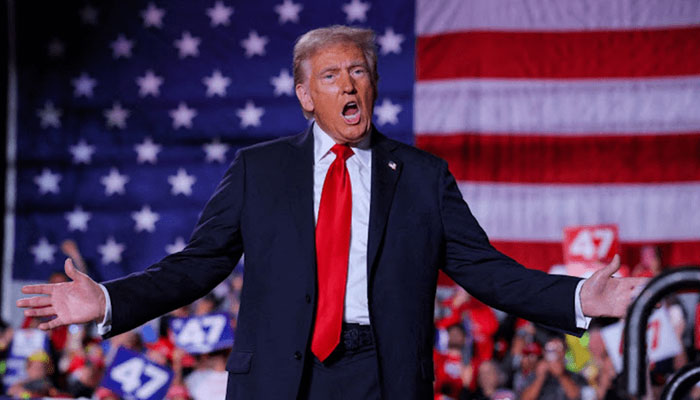
Trump Blames Advisors for Iran Conflict, Warns of ...
Trump blames Kushner, Witkoff & Hegseth for Iran escalation. Claims Iran “would have att...
-
Qatar Maintains Diplomatic Channel with Iran Amid ...
Qatar says communication with Iran remains open despite rising Gulf tensions. PM held one ...

-
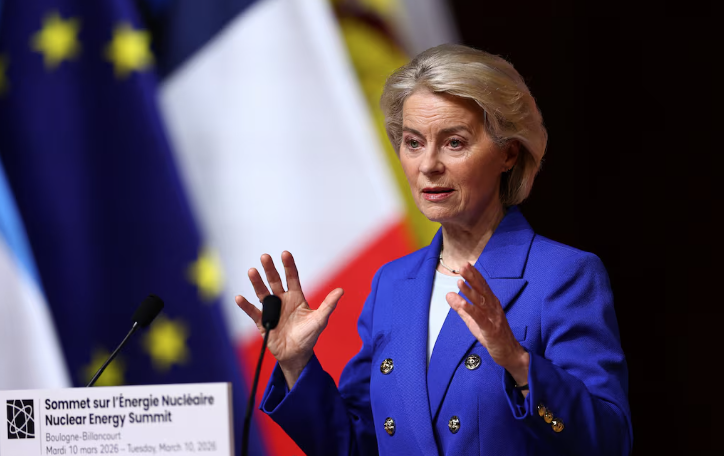
Von der Leyen Calls EU Nuclear Phase-Out a “Stra...
European Commission chief Ursula von der Leyen says reducing nuclear power was a "strategi...
-
Israel Launches Airstrikes on Southern Lebanon Ami...
Israeli airstrikes hit Tyre, Beirut suburbs, and southern Lebanon targeting Hezbollah, lea...

-
EU’s Antonio Costa Says Russia Is Only Beneficia...
European Council President António Costa warns that Russia is the sole country benefiting...