LEGAL
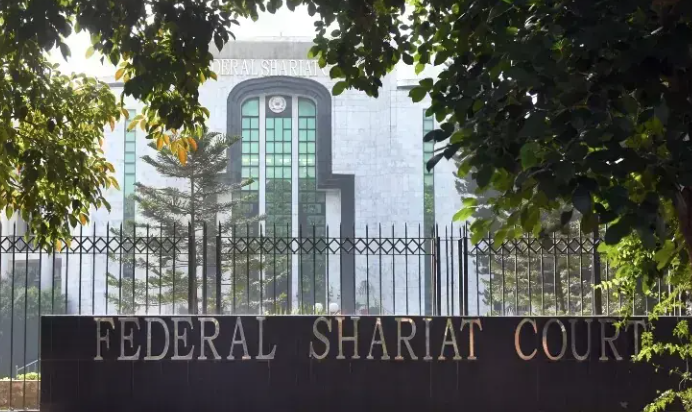
The Federal Constitutional Court (FCC), established under the 27th Constitutional Amendment, has formally shifted to the Federal Shariat Court (FSC) building in Islamabad, officials confirmed on Monday.
The new premises were inaugurated by Chief Justice Aminuddin Khan, along with other judges of the court. Three benches of the FCC have already begun hearing cases at the new location, including a three-member bench headed by the chief justice that is hearing super tax-related cases.
Federal Law Minister Azam Nazeer Tarar and Attorney General Mansoor Usman Awan were also present at the inauguration ceremony.
Renovation work at the FSC building, which had been underway for several weeks, has now been completed. Following the relocation, the Federal Shariat Court will operate from the Islamabad High Court (IHC) building.
The FCC had started functioning on November 18 from temporary arrangements at the IHC. More than 45 days after its formation, the court has now moved to its designated permanent premises. A notification issued on December 11 had already confirmed that the FCC would shift to the FSC building, while the FSC would move to the IHC.
The relocation was part of the original plan for the newly formed constitutional court but was delayed due to objections raised by judges of the Federal Shariat Court. During the interim period, several FCC judges, including the chief justice, continued working from chambers located in the Supreme Court building.
Despite settling into its permanent location, the FCC continues to face logistical challenges, particularly a shortage of staff. The Supreme Court has approved the transfer of only 20 officials to assist the court. Additionally, 40 judicial officers from the Punjab judiciary and some retired Supreme Court officials have been inducted.
Out of a total 56,608 cases, 22,910 cases have been transferred from the Supreme Court to the FCC. Legal experts have noted that handling such a large caseload requires a proportional increase in staff, which is currently insufficient. Observers have also pointed out that the rate of new case filings in the FCC is higher than that of the Supreme Court.
-
FIA Registers Cases Against 13 Officials Over Ille...
FIA files cases against 13 officials for collusion, extortion from illegal call centers; 2...

-
Judicial Commission Approves Permanent Appointment...
Judicial Commission, chaired by CJP Justice Yahya Afridi, approves permanent appointment o...
-
KP Delays Narcotics Act Amendments Amid Political ...
KP government halts proposed Narcotics Act amendments, including death penalty abolition, ...

-
Suspected Terrorist Arrested in Panjgur with Weapo...
Balochistan police arrest Sajid, alleged terrorist, for transporting weapons, spreading ba...

-
Mashal Malik Urges Release of Yasin Malik, Warns o...
Mashal Malik fears Yasin Malik may face execution on Jan 28, calls Kashmir movement one of...