WORLD NEWS
A geoeconomic confrontation – the use of trade, investment, sanctions, and industrial policy as strategic tools to constrain rivals – has emerged as the most pressing short-term global threat, according to the World Economic Forum’s (WEF) 2026 Global Risks Report released on Wednesday.
The report surveyed over 1,300 experts worldwide about risks to global stability. Eighteen percent identified geoeconomic confrontation as the most likely trigger for a crisis in the next two years, marking a sharp rise from ninth place in last year’s report.
Saadia Zahidi, managing director of the WEF annual gathering in Davos, highlighted examples such as rising tariffs, checks on foreign investment, and tighter supply controls on critical resources like minerals. She described the phenomenon as “when economic policy tools become essentially weaponry rather than a basis of cooperation.”
The report did not name specific countries but noted that the trend reflects a year of renewed trade wars, particularly driven by the US administration’s aggressive tariffs on trading partners. It underscores a broader shift toward protectionism and strategic industrial policy as part of a new “age of competition,” with economic tools increasingly weaponised for geopolitical advantage.
Other short-term threats identified in the survey include misinformation and disinformation, and societal polarization. Over a 10-year horizon, environmental risks such as extreme weather, biodiversity loss, and ecosystem collapse were ranked as the gravest threats.
Peter Giger, group chief risk officer at Zurich Insurance Group and a member of the report’s advisory board, warned that risks to critical infrastructure – including energy, water, and digital systems – are underplayed, ranking only 22nd for the next two years and 23rd for the next decade, despite being fundamental to modern life.
The WEF report comes ahead of its annual Davos meeting, where global leaders, policymakers, and business executives are expected to discuss the growing convergence of economic and geopolitical tensions.
-
Trump Blames Advisors for Iran Conflict, Warns of ...
Trump blames Kushner, Witkoff & Hegseth for Iran escalation. Claims Iran “would have att...
-
Qatar Maintains Diplomatic Channel with Iran Amid ...
Qatar says communication with Iran remains open despite rising Gulf tensions. PM held one ...
-
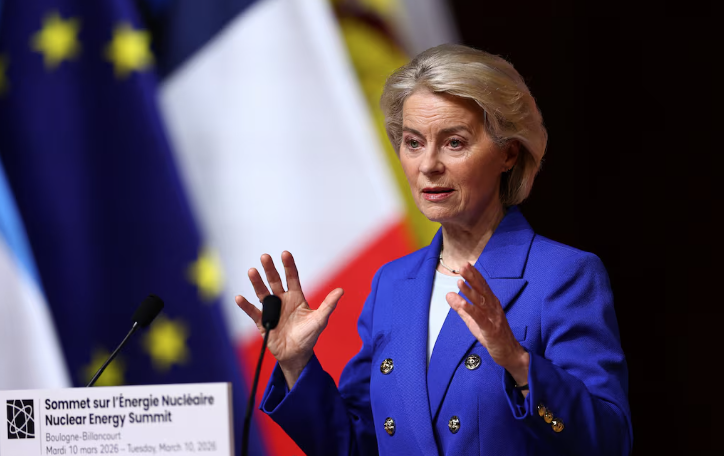
Von der Leyen Calls EU Nuclear Phase-Out a “Stra...
European Commission chief Ursula von der Leyen says reducing nuclear power was a "strategi...
-
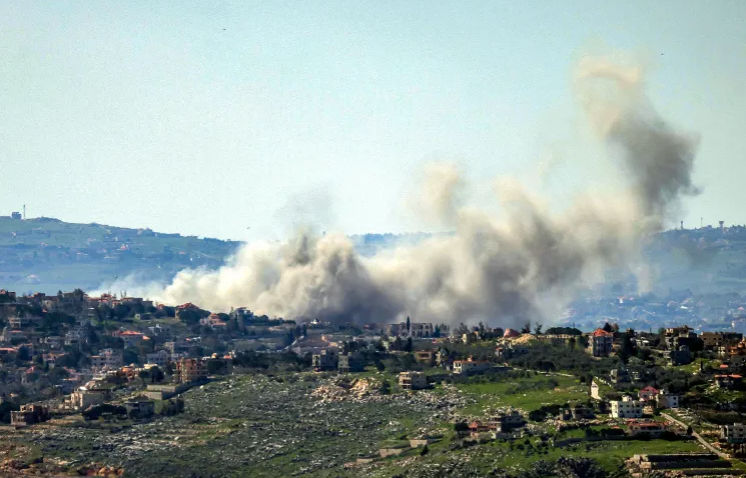
Israel Launches Airstrikes on Southern Lebanon Ami...
Israeli airstrikes hit Tyre, Beirut suburbs, and southern Lebanon targeting Hezbollah, lea...
-
EU’s Antonio Costa Says Russia Is Only Beneficia...
European Council President António Costa warns that Russia is the sole country benefiting...