WORLD NEWS
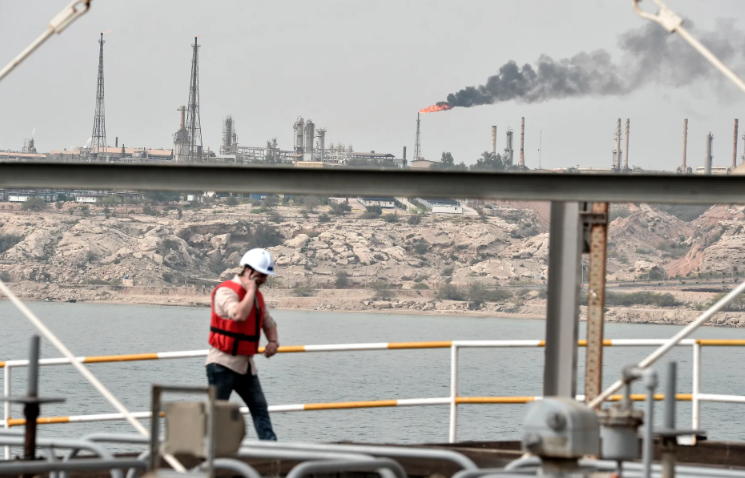
Arab Gulf nations are closely monitoring developments in Iran, where nationwide protests have escalated tensions, amid US President Donald Trump’s repeated threats of military action. Gulf powers fear that any strike on Tehran could plunge the region into chaos, disrupt oil markets, and trigger retaliatory attacks.
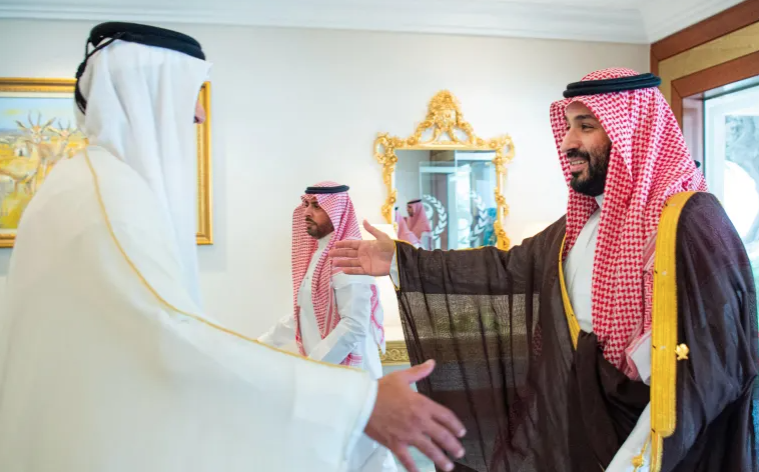
Reports indicate that Saudi Arabia, Qatar, and Oman have been engaging in behind-the-scenes diplomacy to prevent escalation. Riyadh is lobbying the US administration to refrain from a strike, while Qatar and Oman have focused on facilitating dialogue between American and Iranian officials. Observers say these efforts intensified after communication between Washington and Tehran reportedly broke down, raising fears of imminent military action.
Analysts note that Gulf nations are concerned about the potential spillover from an attack. “GCC officials didn’t know what the US intentions were,” said Muhanad Seloom, assistant professor at the Doha Institute for Graduate Studies. “They fear disruption to oil markets, attacks on US bases, and instability on their soil.”
The situation in Iran remains volatile. Authorities report more than 100 security personnel killed, while opposition activists claim over 1,000 protesters have died since demonstrations began in late December. Trump has urged Iranians to take over state institutions, asserting that “help is on the way,” though the nature of any planned US military action remains unclear.
Historical precedents heighten concerns. Iran has previously targeted Gulf countries, including attacks on Saudi oil facilities in 2019 and Qatar’s Al Udeid Airbase in 2025, after US strikes on Iranian interests. Tehran has warned that it would strike US bases in the region if attacked.
Gulf nations, while having differing histories with Iran, unanimously fear the consequences of abrupt regime change, including civil unrest, strengthened radical elements, and destabilization reminiscent of post-2003 Iraq. Saudi Arabia, in particular, is focused on maintaining regional stability to ensure the success of its economic reforms and diversification away from oil.
Despite historic rivalries, Saudi Arabia and Iran have maintained pragmatic communication channels in recent years to prevent escalation. Experts note that sudden regime change in Tehran would be “radical and extreme,” potentially triggering broader regional fires, while gradual political shifts would be more manageable.
Saudi Arabia’s Minister of State for Foreign Affairs Adel Al-Jubeir emphasized that stability remains the priority. “Our goal is to achieve stability and calm so that we can direct our resources toward building a better future for our people,” he said.
Analysts warn that the Gulf will continue its delicate balancing act, promoting diplomatic de-escalation while preparing for the unpredictable consequences of US-Iran tensions.
-
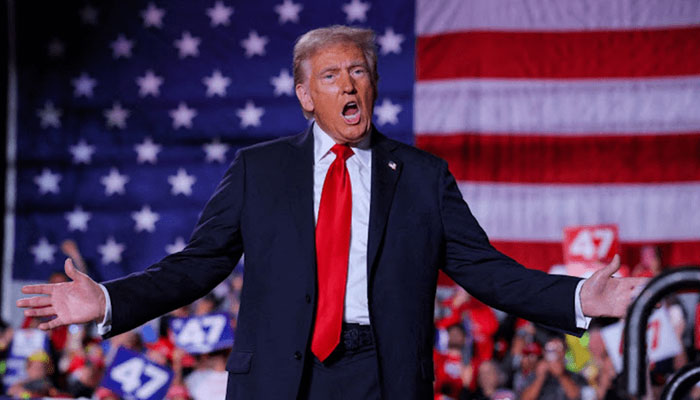
Trump Blames Advisors for Iran Conflict, Warns of ...
Trump blames Kushner, Witkoff & Hegseth for Iran escalation. Claims Iran “would have att...
-
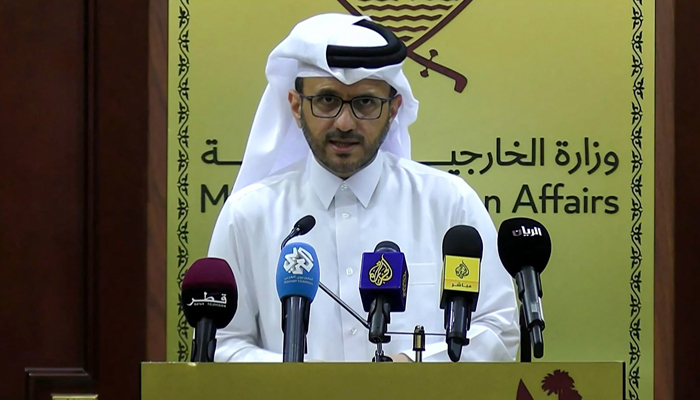
Qatar Maintains Diplomatic Channel with Iran Amid ...
Qatar says communication with Iran remains open despite rising Gulf tensions. PM held one ...
-
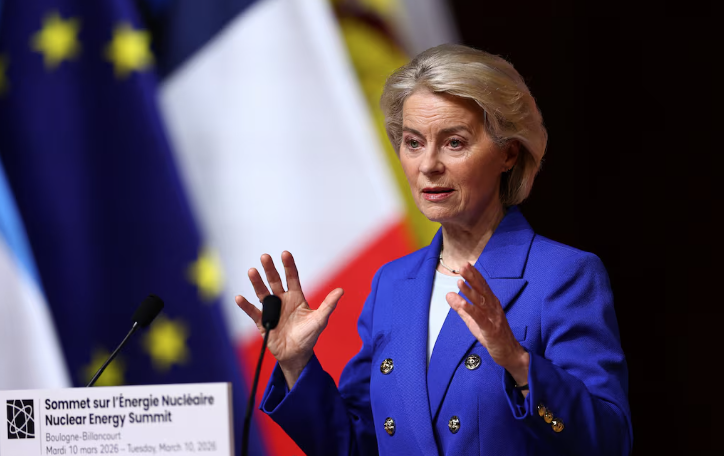
Von der Leyen Calls EU Nuclear Phase-Out a “Stra...
European Commission chief Ursula von der Leyen says reducing nuclear power was a "strategi...
-
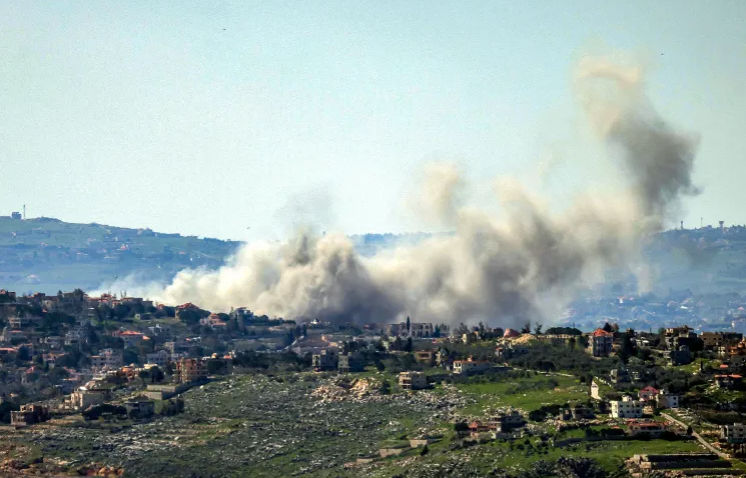
Israel Launches Airstrikes on Southern Lebanon Ami...
Israeli airstrikes hit Tyre, Beirut suburbs, and southern Lebanon targeting Hezbollah, lea...
-
EU’s Antonio Costa Says Russia Is Only Beneficia...
European Council President António Costa warns that Russia is the sole country benefiting...