CULTURE
Inflation Hits Eid: Inflation Forces Karachi’s Middle Class to Abandon Individual Sacrifices for Shared Qurbani
Detailed Report
-
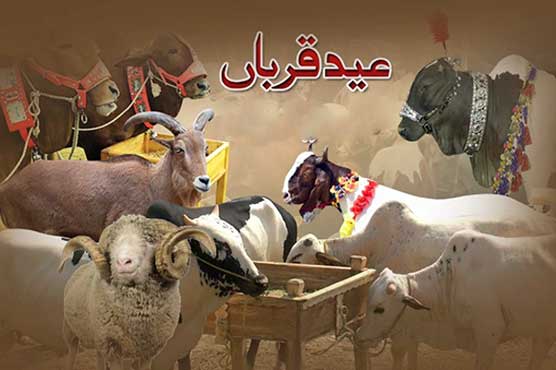
The Shift to Collective Sacrifice: A harsh economic climate marked by unprecedented price hikes has altered Eidul Azha traditions in Pakistan’s largest metropolis. Faced with a steep 50% surge in the prices of sacrificial animals compared to last year, middle-class families in Karachi are heavily pivoting toward ijtimai qurbani (collective sacrifice). Welfare organizations, mosque committees, and madrassas report a substantial 30% to 40% rise in collective bookings, as individual animal purchases stretch beyond the reach of households already struggling with a rising cost of living.
-
The High Cost of the Cattle Market: While livestock continues to pour into the metropolis from agricultural hubs like Sahiwal, Rahim Yar Khan, and Tando Adam, price tags have become prohibitive. Small, low-weight cows are commanding anywhere from Rs 120,000 to Rs 180,000, while prime livestock easily clears Rs 1 million. For citizens looking at collective alternatives, community centers and networks like the Chhipa Welfare Association have stepped in with highly sought-after shared packages. Most residents are locking in single bovine shares priced accessibly between Rs 25,000 and Rs 35,000, concentrating the bulk of the ritual's logistics into the high-demand first day of Eid.
-
Compounding Transport and Butcher Fees: The financial hurdle extends far beyond the initial cost of the livestock. Fuel price hikes have forced transporters to push freight charges up by a massive 60%, making the baseline trip from a local market cost between Rs 4,000 and Rs 10,000 per animal. Furthermore, professional butchers have raised their day-one slaughtering fees to between Rs 25,000 and Rs 35,000 for large cows, and up to Rs 15,000 for goats. This combination of high transport fees and expensive professional labor has driven families away from managing sacrifices at home, opening a window for cheaper, less-experienced seasonal workers.
-
Abdul Sattar Edhi, A National Pride and Timeless S...
On the 10th death anniversary of legendary humanitarian Abdul Sattar Edhi, Pakistan's Pres...
.jpg)
-
No Roadside Animal Sales or Canal Bathing: Punjab ...
The Punjab government has imposed Section 144 across the province from May 27 to June 2 to...
-
Sindh Announces Holiday for Schools on Youm-i-Ali...
All public and private schools across Sindh will remain closed on March 11 in observance o...
-
Pakistan Marks Quaid-i-Azam’s 149th Birth Annive...
Pakistan’s civil and military leadership paid glowing tribute to Quaid-i-Azam Muhammad A...
-
Govt Announces 4-Day Eidul Azha Holiday from June ...
Govt announces 4-day public holiday for Eidul Azha from June 6–9. Eid will be celebrated...
