WORLD NEWS
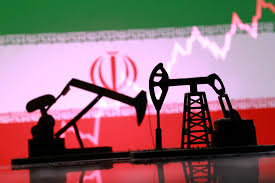
The ongoing conflict between Iran, the United States, and Israel is creating a global energy crisis, with oil and gas prices surging as supply chains face severe disruption. Analysts warn that even if the war ends quickly, consumers and businesses could face weeks or months of higher fuel costs due to damaged facilities, disrupted logistics, and elevated risks to shipping.
JP Morgan analysts noted that the market has shifted from pricing “pure geopolitical risk” to grappling with real operational disruptions, as refinery shutdowns and export constraints impair crude processing and regional supply flows. Approximately 20% of global crude and natural gas supply has already been suspended as Tehran targets energy infrastructure and ships in the strategic Strait of Hormuz.
Oil prices surged 24% this week, surpassing $90 per barrel—the steepest weekly increase since the pandemic. The nearly complete shutdown of the Strait has forced major Gulf producers—including Saudi Arabia, Iraq, the UAE, and Kuwait—to suspend shipments of nearly 140 million barrels of oil, roughly 1.4 days of global demand. Storage facilities are filling up, prompting production cuts in Iraq, with similar measures expected in Kuwait and the UAE.
Experts warn that oilfields shut in by the conflict may take weeks or months to return to full production, even if the war ends quickly. Iranian attacks have also forced the closure of key infrastructure, including Qatar’s LNG exports, which supply 20% of the world’s liquefied natural gas, and Saudi Aramco’s Ras Tanura refinery and export terminal.
The energy disruption is reverberating globally. In Asia, refineries in India, China, Thailand, and Vietnam have cut runs or declared force majeure due to lack of supply. In Europe, higher LNG costs compound the challenges posed by previous disruptions from Russia. Meanwhile, U.S. gasoline and diesel prices have jumped sharply, with average retail prices now at $3.32 and $4.33 per gallon, respectively.
The crisis poses not only an economic threat but also a political vulnerability for U.S. President Donald Trump ahead of the midterm elections, as voters respond to rising fuel costs. Analysts note that gasoline prices are “psychologically powerful” and directly influence consumer sentiment.
While a rapid resolution could calm markets, experts caution that restoring pre-war supply levels will depend on repairing damaged infrastructure and ensuring safe shipping in the Strait of Hormuz, which may take months. Strategic petroleum reserves may also be replenished globally, adding further upward pressure on prices even after the conflict ends.
-
Massive US-Israeli Strikes Hit Tehran, Iran Retali...
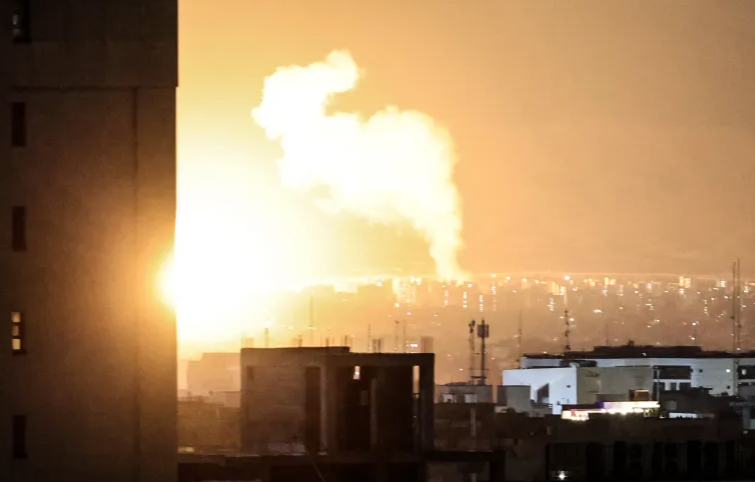
Huge explosions hit Tehran and other Iranian cities as US-Israeli attacks continue. Iran f...
-
Trump Claims Credit for Iran’s Apology to Neighb...
US President Donald Trump claims Iran’s apology to neighbouring countries came due to co...

-
Iran Vows Resistance, Pledges No Attacks on Neighb...
Iran’s interim leader Masoud Pezeshkian says the country will never surrender to Israel ...

-
FBI Records Released on Woman’s Sexual Misconduc...
FBI records reveal a woman accused Trump of sexual misconduct in the 1980s; White House ca...

-
US-Israeli Attacks Hit Tehran School, UN Calls for...
Tehran’s Shahid Hamedani School reportedly hit in US-Israeli attacks. At least 181 child...