LEGAL
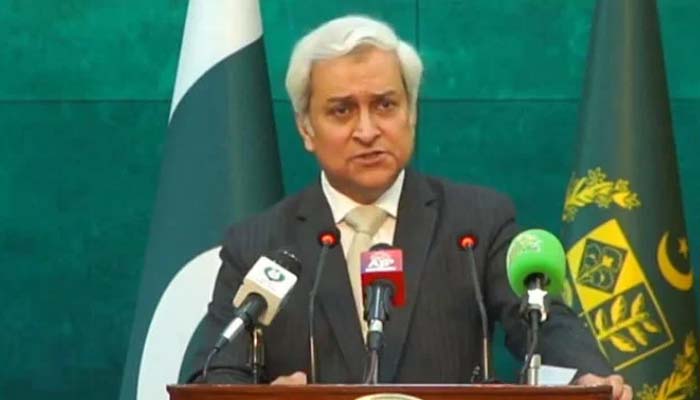
Pakistan on Thursday distanced itself from a judge’s remark labeling certain countries as “terrorist states” in the context of the conviction of lawyer Imaan Mazari-Hari and her spouse Hadi Ali Chattha.
During a weekly press briefing, Foreign Office spokesperson Tahir Hussain Andrabi clarified that the observation made by Additional District and Sessions Judge Muhammad Afzal Majoka reflected the judge’s personal opinion and was not endorsed by Pakistan. “Frankly, this kind of designation does not exist either under the United Nations or international law,” Andrabi said.
In his verdict, Judge Majoka had stated: “Currently there are four countries designated as terrorist states, which are Cuba, the Democratic Republic of Korea, Iran and Syria,” while noting that Pakistan was not included in the list. The UN does not maintain a list of “terrorist states,” though its Security Council maintains a “Consolidated List” of individuals, entities, and groups subject to sanctions.
Imaan Mazari-Hari and Hadi Ali Chattha were sentenced on January 24 under the Prevention of Electronic Crimes Act (Peca) for sections 9 (glorification of an offence), 10 (cyberterrorism), and 26-A (false and fake information). Collectively, they were fined Rs36 million and handed a total of 17 years in prison, with the longest single sentence being 10 years. The couple had allegedly referred to Pakistan as a “terrorist state” in their social media posts.
The EU has expressed concern over the convictions, viewing them as a potential infringement on freedom of expression and the independence of lawyers. EU Spokesperson for Foreign Affairs and Security Policy Anouar El Anouni said in a post on X that the convictions “go against freedom of expression and independence of lawyers,” noting that these principles are central to democratic governance and Pakistan’s international human rights commitments.
The National Assembly’s Special Committee on Gender Mainstreaming, chaired by MNA Dr Nafisa Shah, also expressed concerns that vague provisions of Peca are often misused against civil society actors, journalists, and political parties.
The case comes amid ongoing scrutiny of Pakistan under the EU’s Generalised Scheme of Preferences Plus (GSP+) framework. In December 2025, the EU reviewed Pakistan’s progress in implementing 27 international conventions on human rights, labour rights, governance, and environmental protection. EU officials stressed the importance of proportionality and safeguards while continuing dialogue on concerns related to freedom of expression and judicial independence.
Earlier, EU Ambassador to Pakistan Raimundas Karoblis had said the country “needed to do more” to fulfill its GSP+ commitments. Pakistan was also elected as a member of the United Nations Human Rights Council (UNHRC) in October 2025 for the 2026-2028 term.
-
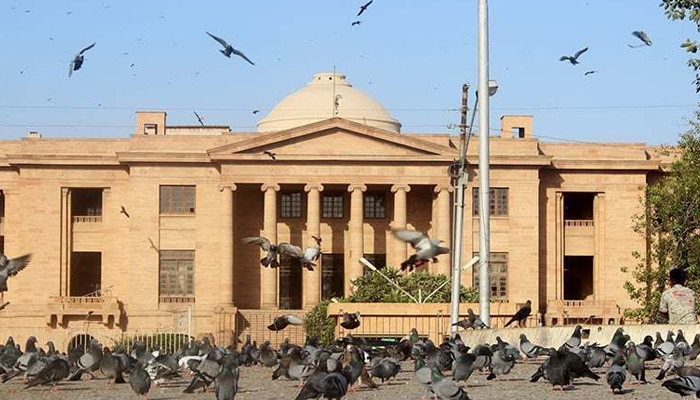
Sindh High Court Orders NADRA to Review Family Rec...
Sindh High Court directs NADRA to review legal documents of a Pakistani family after an Af...
-
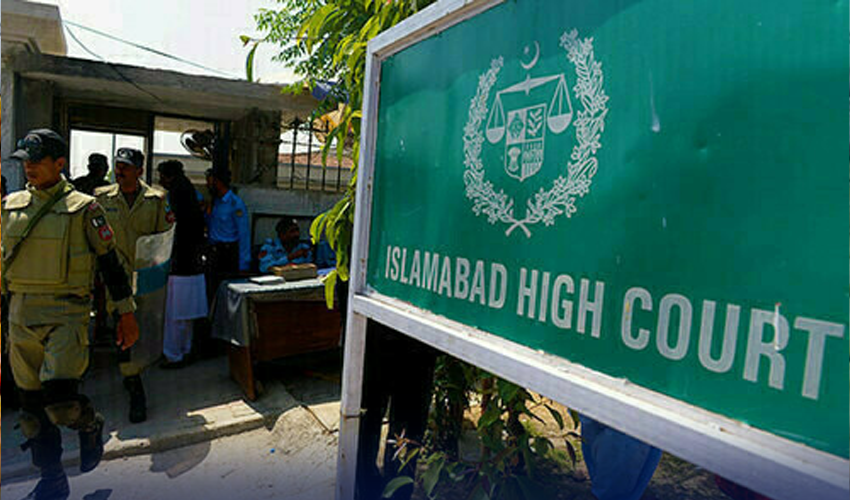
Islamabad High Court Committee Reviews Model Jail ...
The Islamabad High Court Justice Committee reviews Model Jail construction: 85% complete, ...
-
PHC Halts KP Assembly Speaker’s Inquiry into May...
The Peshawar High Court has restrained the KP Assembly Speaker’s inquiry committee from ...
-
Sindh Govt Orders Judicial Probe into Gul Plaza Tr...
Sindh government announces a judicial commission to investigate the Gul Plaza tragedy. Rel...
-
President Approves Seven Key Bills on Economy, Edu...
President gives assent to seven important bills, including Export Development, Railways, D...