POLITICS & POLICY MAKING
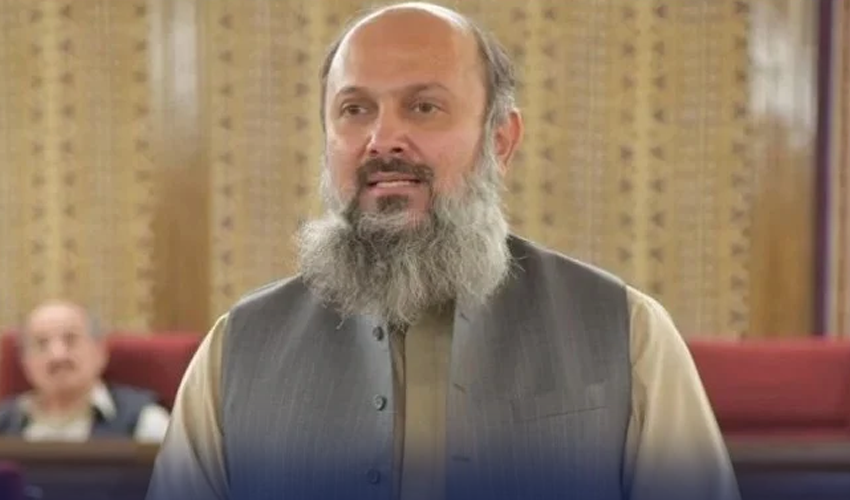
Federal Minister for Commerce Jam Kamal Khan on Monday informed the Senate Standing Committee on Commerce that Pakistan’s policy flexibility is constrained due to the ongoing International Monetary Fund (IMF) program. The IMF reportedly insists on increased tax revenue before providing relief to various sectors, limiting government options.
The meeting, chaired by Senator Anusha Rehman, also saw severe criticism directed at Federal Board of Revenue (FBR) Chairman Rashid Mahmood Langrial. Members of the committee expressed concern over the FBR’s tax policies, particularly the lack of support for the industrial sector and inadequate implementation of trade facilitation measures with Iran.
Minister Jam Kamal told the committee that the IMF expects equal treatment of all sectors and has raised objections to special economic zones. He noted that financing facilities are currently unavailable to 95% of Pakistan’s population. Officials also expressed hope that the policy rate might drop to single digits by June, potentially easing the financial burden.
The committee discussed bilateral trade with Iran, which currently stands at $3.12 billion, with $2.42 billion in imports and $700 million in exports. Members expressed displeasure over the non-implementation of the SRO on trade facilitation with Iran and demanded that the FBR chairman be summoned to answer these concerns.
Senator Talha Mahmood sharply criticized the FBR, likening it to the Mongols and warning that the chairman, “like Genghis Khan with an axe,” could destroy the industrial sector if policies continue unchecked.
The standing committee also recommended providing relief in income tax rates to stimulate business activity and industrial growth, signaling growing parliamentary concern over fiscal policy and its impact on economic sectors.
-
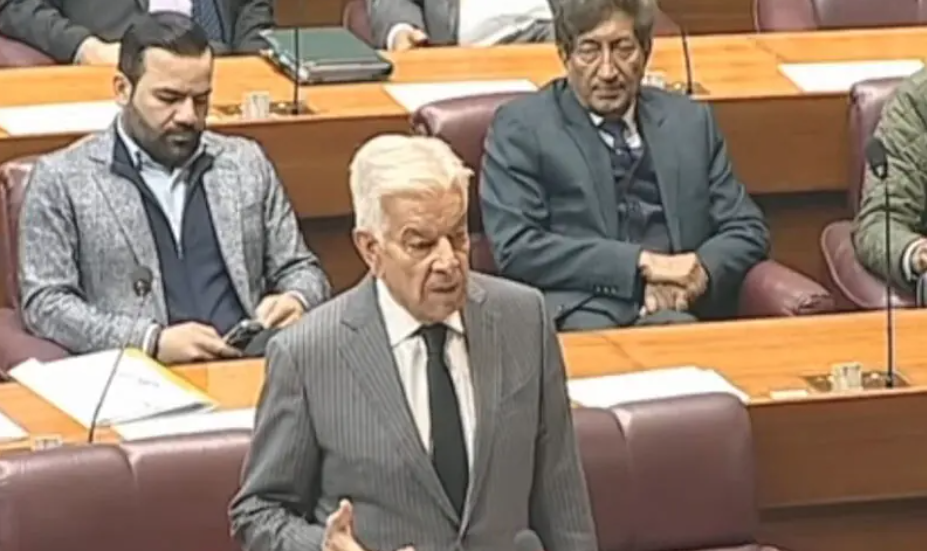
Khawaja Asif: No One in Pakistan Will Rationalise ...
Defence Minister Khawaja Asif says Balochistan terrorists are criminals, not freedom fight...
-
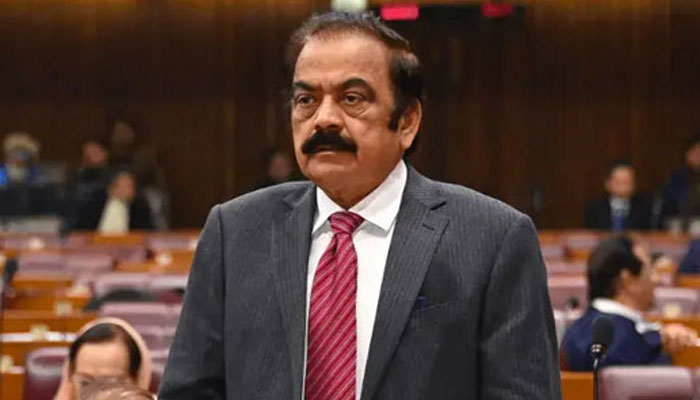
‘Terrorists Must Be Called Terrorists,’ Rana S...
PM’s Adviser Rana Sanaullah told the Senate that terrorists should be called terrorists ...
-
Sindh CM Murad Ali Shah Vows Action Against Highwa...
Sindh CM Murad Ali Shah condemned Jamaat-e-Islami’s Karachi sit-in, calling for strict a...
-
PM Shehbaz, KP CM Afridi Stress Centre-Province Co...
PM Shehbaz Sharif met KP CM Sohail Afridi for the first time, stressing Centre–province ...
-
TTAP Blames Balochistan Attacks on ‘Security Fai...
The opposition alliance TTAP has condemned last week’s deadly attacks in Balochistan, ca...