POLITICS & POLICY MAKING
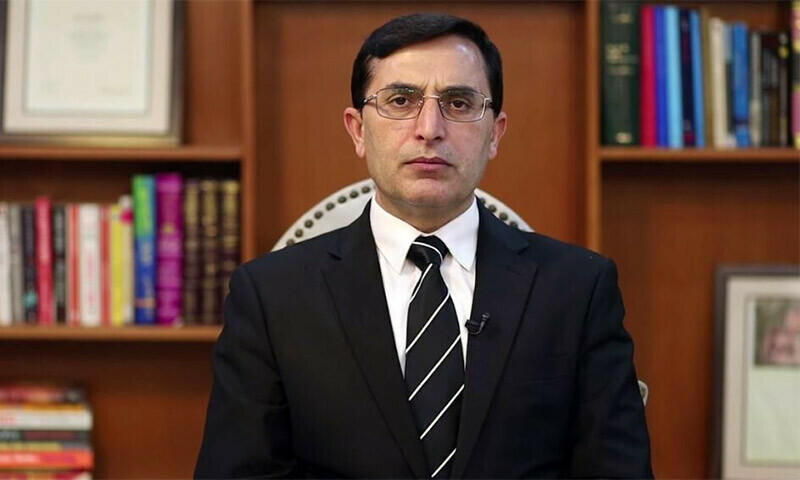
The Tehreek Tahafuz Ayeen-i-Pakistan (TTAP) on Monday strongly condemned the sentencing of lawyers Imaan Zainab Mazari-Hazir and her husband Hadi Ali Chatta, describing it as an imposition of dictatorship in Pakistan.
A TTAP delegation, including Chief Mahmood Khan Achakzai, Vice Chairman Mustafa Nawaz Khokar, and PTI’s Barrister Gohar Ali Khan, met with Imaan’s mother Shireen Mazari to express solidarity with the jailed couple.
Speaking to media, Gohar Ali Khan criticized the trial, saying due process had been violated and asserting that suppression of voices undermines society. He urged the Chief Justice of Pakistan to intervene and suspend the convictions, emphasizing that such verdicts risk promoting lawlessness by prompting people to take justice into their own hands.
Khokar asserted that “dictatorship has been imposed in Pakistan” and warned that ongoing curbs on freedom of expression threaten democracy, likening current measures to authoritarian systems such as North Korea or Egypt. He stressed that resistance to such repression is part of Pakistan’s history and vowed TTAP’s continued activism.
The party announced a protest on February 8, urging citizens to close shops, perform wheel-jams, and participate in demonstrations. Gohar clarified that the PTI had not rescinded its Feb 8 protest call and that only Imran Khan could do so.
The outrage follows the 17-year prison sentences handed down by Additional District and Sessions Judge Muhammad Afzal Majoka under sections of the Prevention of Electronic Crimes Act (Peca):
· Section 9 (glorification of an offence): 5 years rigorous imprisonment and Rs5 million fine each, plus 1-year default.
· Section 10 (cyberterrorism): 10 years rigorous imprisonment and Rs30 million fine each, plus 2-year default.
· Section 26-A (false/fake information): 2 years rigorous imprisonment and Rs1 million fine each, with an additional 6 months if unpaid.
The verdict has sparked criticism from rights groups, opposition parties, and civil society, highlighting concerns over free speech and judicial accountability in Pakistan.
-
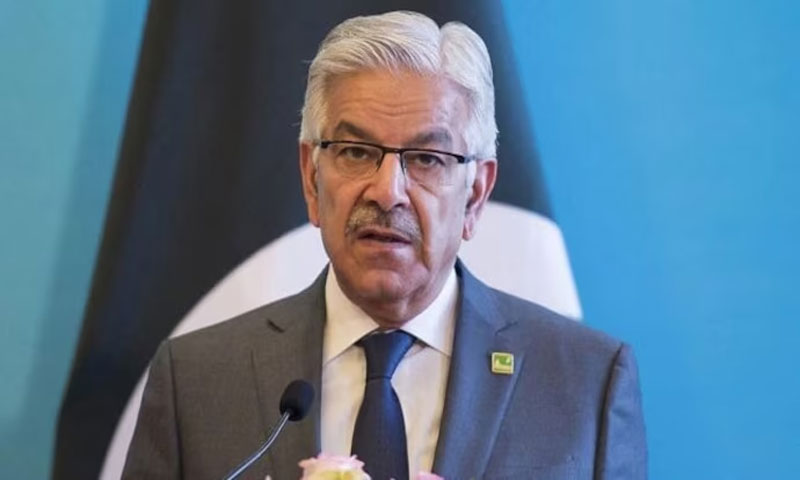
Defence Minister Khawaja Asif Dismisses PTI’s Fe...
Defence Minister Khawaja Asif says PTI is divided into multiple factions, its February 8 p...
-
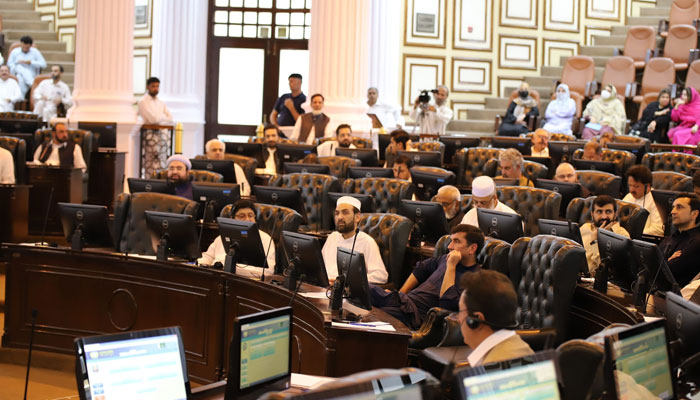
KP Assembly Passes Resolution Against Pakistan’s...
KP Assembly rejects Pakistan’s role in US-Israel Gaza Peace Board, citing UN resolutions...
-
NA Committee Proposes Annual Govt-Funded Trip to P...
National Assembly’s Standing Committee on Religious Affairs proposes sending a parliamen...
-
PTI Holds Key Parliamentary Meeting, Announces Mob...
PTI Secretary General Salman Akram Raja announces nationwide mobilisation on Feb 8, reject...
-
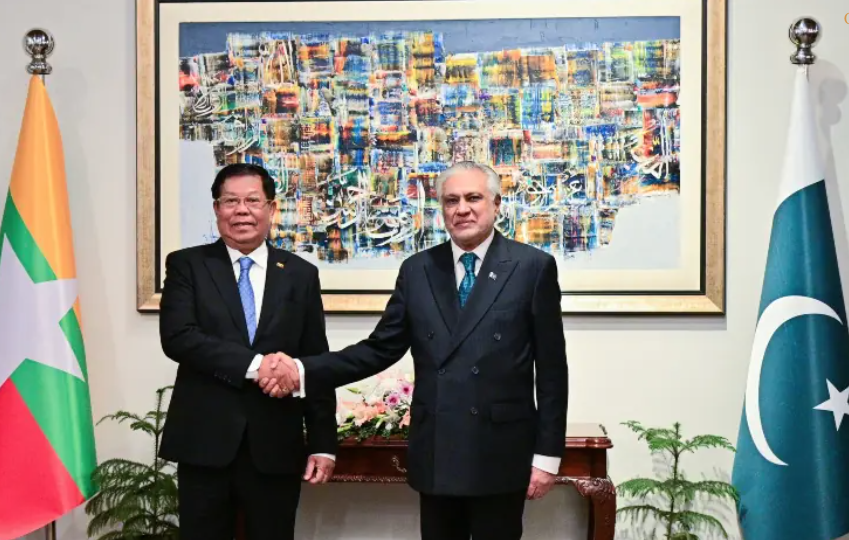
Pakistan, Myanmar Agree to Revitalise Ties as Isha...
Foreign Minister Ishaq Dar and Myanmar’s FM Than Swe held comprehensive talks in Islamab...